 Afghan Hound
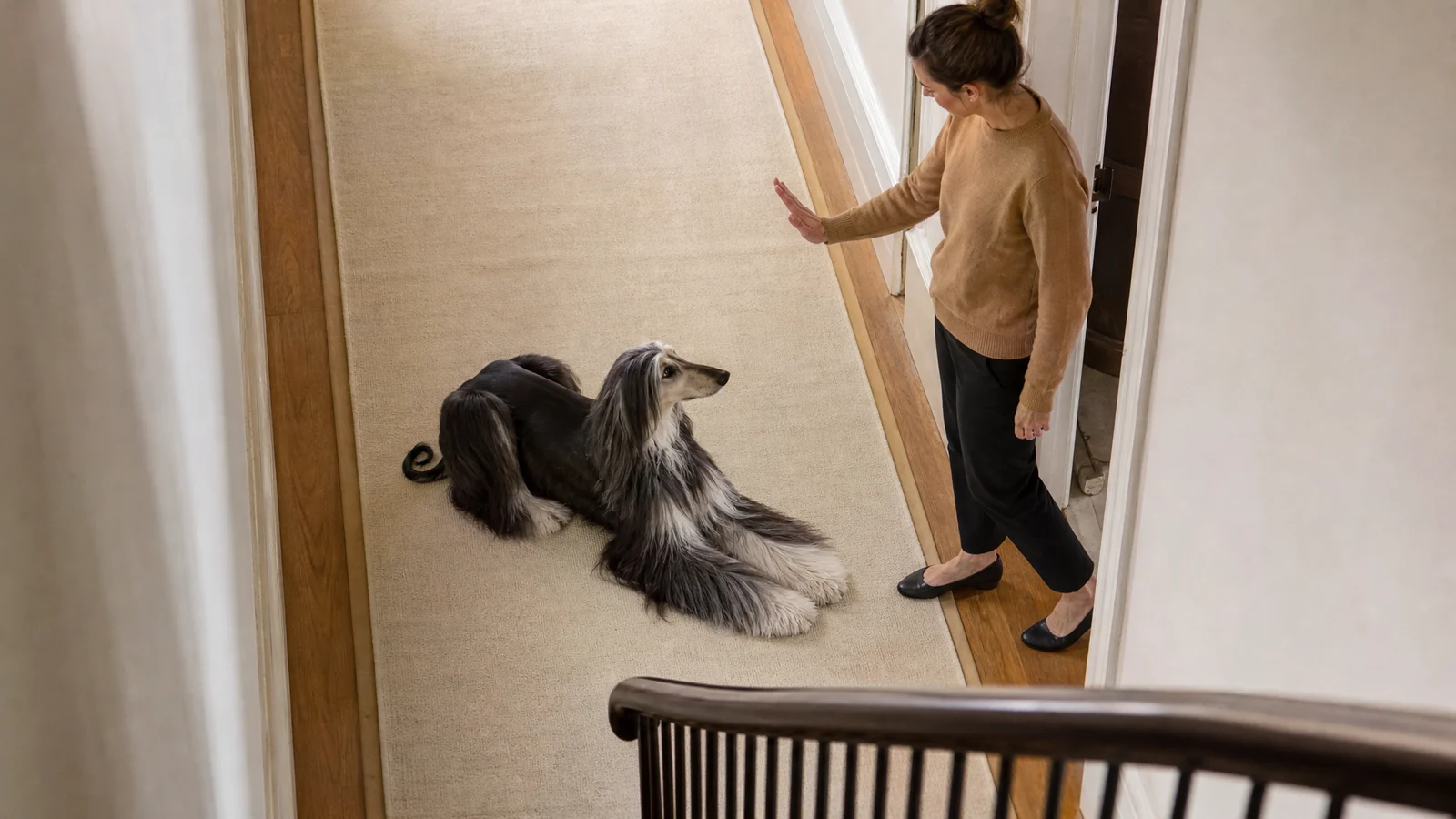
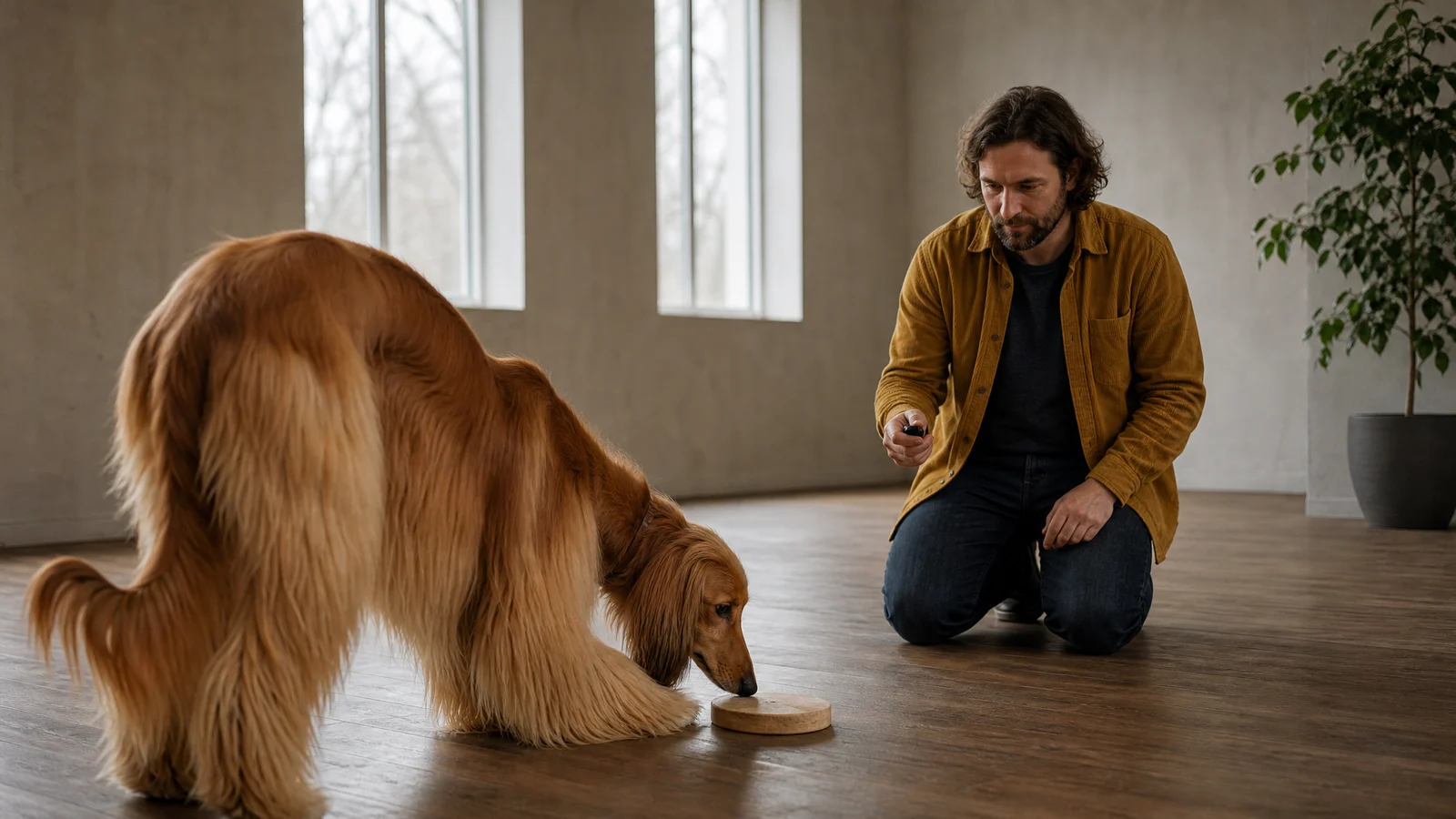
An Afghan Hound stay means holding a chosen position until a clear release ends the exercise. The first goal is not impressive distance or a long wait, but a simple agreement that makes the beginning and end easy for the dog to understand.
In this guide, we define the release first, build the behavior with the handler nearby, and then change duration, distance or distraction one at a time. This approach keeps mistakes useful because each repetition tests only one new condition.
Afghan Hounds are individuals, so watch the dog in front of you rather than treating independence as refusal. Use comfortable footing, valued rewards and short practice that lets the dog succeed without being held in place.
What Ends an Afghan Hound Stay?
Choose one release word and reserve it for permission to move. Everyone who practices should use that same word, while the stay cue means only that the current position continues until the release arrives.
A release does not have to call the dog toward you. Keep that function distinct from Afghan Hound recall training, especially when the dog is practicing behind a secure barrier or on a leash.
Reward-based teaching makes the wanted response worth repeating, as the RSPCA training guidance explains. Delivering the reward while the dog is still in position helps the stay continue, while releasing immediately afterward makes the finish equally clear.
Build an Afghan Hound Stay Before Walking Away
Begin where your Afghan Hound can remain comfortable while you stay close. The general stay method below adds the signal only after the dog is settled, returns every reward to the chosen position, and gives the release before the dog feels a need to move.
- Ask for a familiar comfortable position, or calmly wait for one the dog offers. Stand close enough that your body movement does not yet become the challenge.
- Give the stay cue once, with a consistent hand signal if you plan to use one. Pause briefly while keeping your posture quiet and the surroundings simple.
- Mark the successful pause and bring the reward back to the dog. Feed where the dog is standing, sitting or lying rather than inviting a step toward your hand.
- Say the release word, then encourage easy movement away from the position. Reset only after the dog has clearly finished that repetition.
Return the Reward to the Position
Reward placement tells the dog where the useful choice happened. If every treat appears beside your leg, the dog may learn that walking toward you is part of the sequence even though the stay itself occurred elsewhere.
Bring your hand to the dog, mark while the position is still intact, and release after the reward is delivered. When food causes reaching or shuffling, place it lower and closer to the dog's nose so collecting it does not require a step.
Change One Stay Condition at a Time
The Dogs Trust stay guide supports rewarding in position and increasing difficulty gradually. For an Afghan, gradual means choosing one visible change while keeping the other parts of the repetition familiar.
A marker can identify the exact success before the reward arrives. The AVSAB humane training statement describes reward-based training with cues, markers and reinforcers, so a spoken marker can work when a clicker is inconvenient.
| Stay variable | One small change | Reason to simplify |
|---|---|---|
| Duration | Pause slightly longer while remaining beside the dog. | The dog shifts repeatedly or anticipates the release. |
| Distance | Move one part of your body, then return the reward to position. | The dog follows the movement or leans forward to track you. |
| Distraction | Practice near one mild, controlled change in the environment. | The dog cannot reorient or the setting is no longer secure. |
If the dog gets up, quietly reset and make the next repetition easier. Do not repeat the cue, block the dog physically or combine a longer pause with greater distance and a busier environment.
Practical Questions About an Afghan Hound Stay
- Can an Afghan Hound stay while standing instead of sitting?
Yes, stay describes remaining in the chosen position rather than requiring a sit. Use the position that is comfortable and clear, then release before asking the dog to change it.
- Should the release word call an Afghan Hound toward the handler?
No, the release word can simply mean that movement is allowed. If you want the dog to come toward you, give the recall cue separately after the release and only in a securely managed setting.
- Can another caregiver reward the same stay?
Yes, provided that caregiver uses the same stay and release signals and returns the reward to the dog. Agree on the sequence before practice so the dog is not released by one person while another expects the position to continue.
End Afghan Hound Stay Practice With a Clear Release
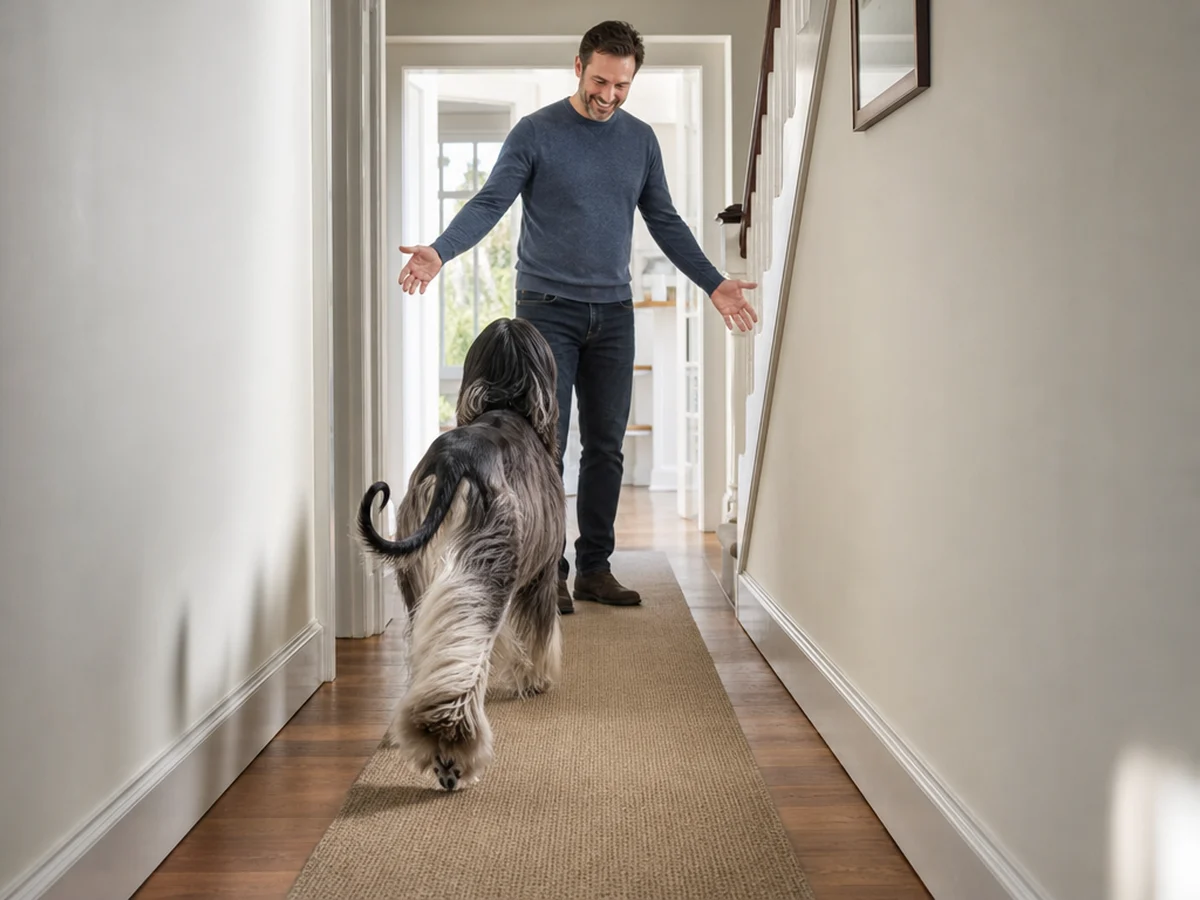
The UKC Afghan Hound description calls the breed strong-willed and independent, but that supported trait is not a verdict about any individual repetition. If attention fades, lower the difficulty and finish one clear, rewarded stay instead of turning the exercise into a contest.
Keep regular veterinary visits part of your dog's care, and pause practice if a position suddenly looks uncomfortable or movement changes. A good final repetition is easy to understand: the dog holds a comfortable position, receives a reward there, hears the release, and moves freely.
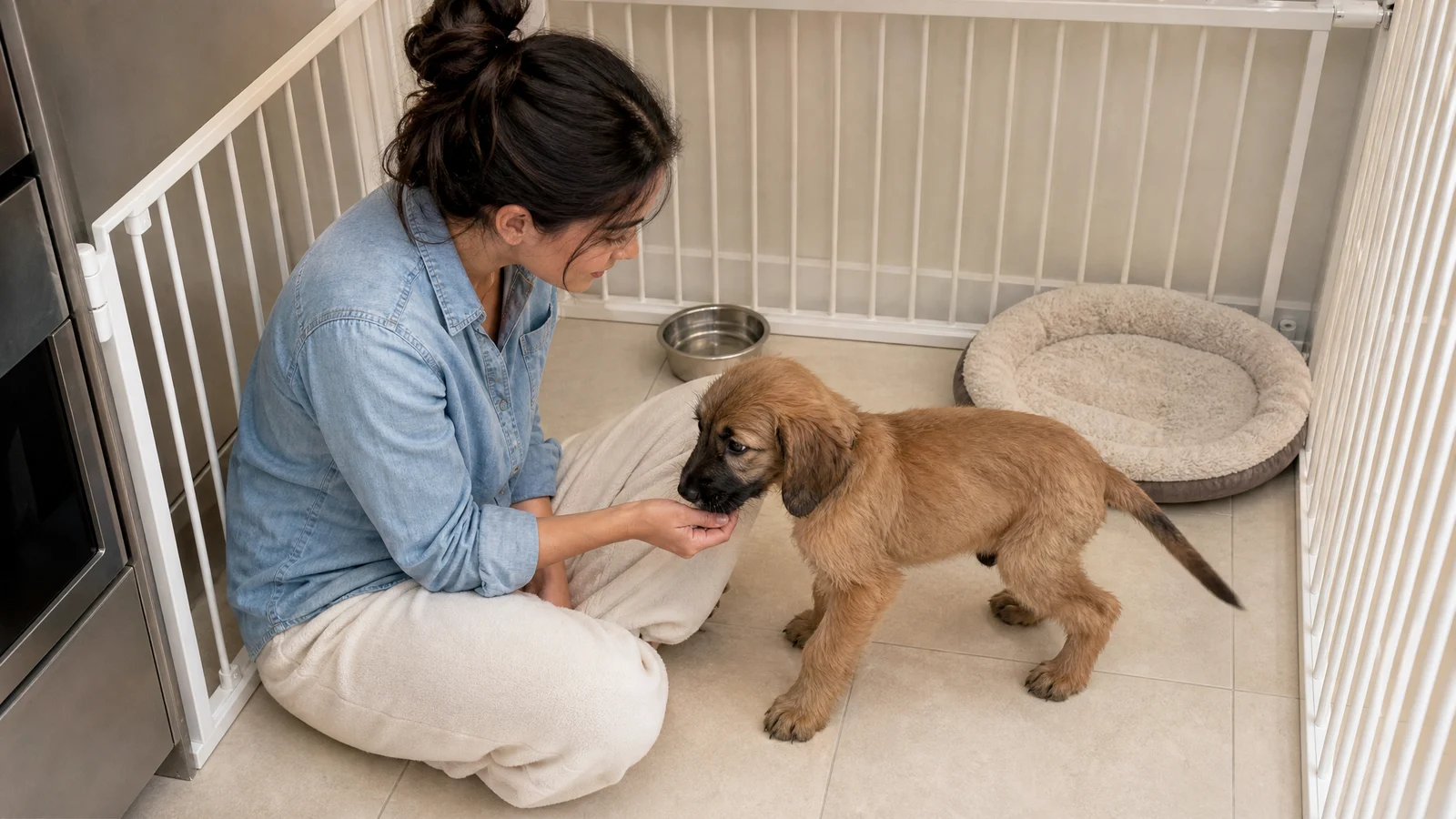 Puppy trainingAfghan Hound Puppy at 8 to 12 Weeks: The First Month Home
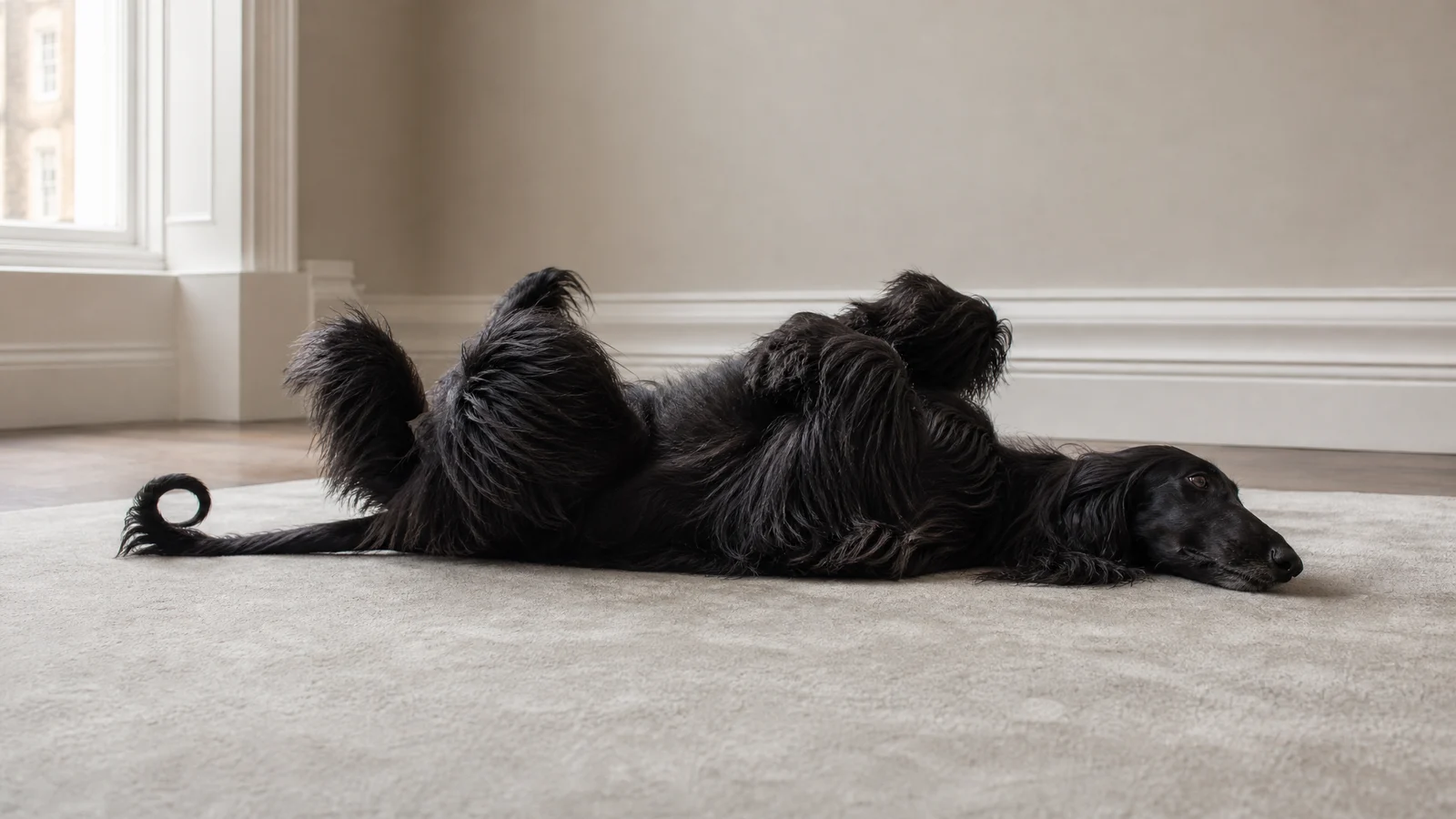 Exercise and jobsHow to Teach an Afghan Hound to Roll Over
 Training basicsClicker Training an Afghan Hound