 Afghan Hound
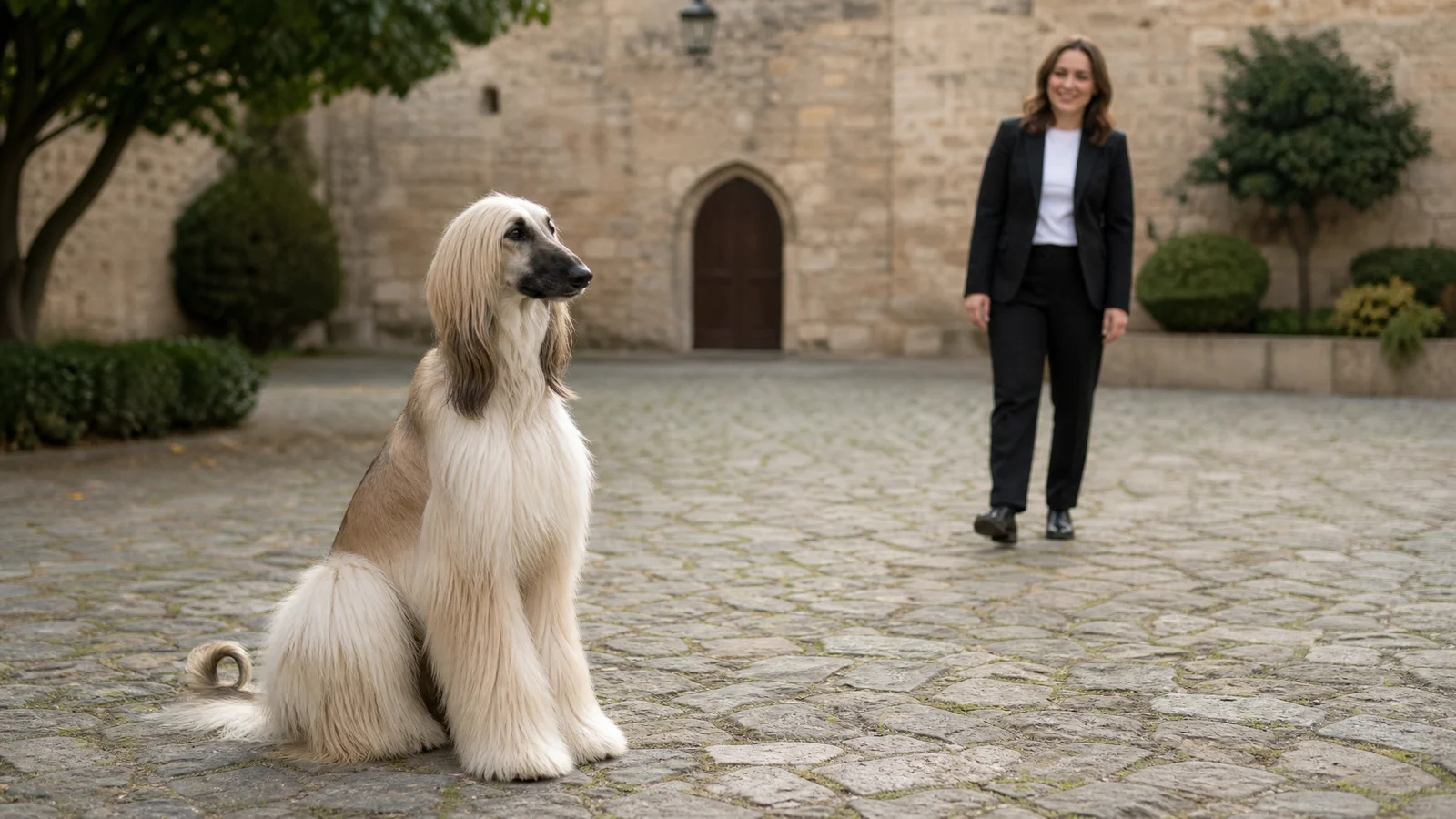
How much training does an Afghan Hound really need? The standard answer is a full obedience curriculum, with weekly classes, heeling patterns, and a long menu of commands. That plan suits breeds made to take direction from a handler. It falls short for a sighthound who was bred to work at a distance and make decisions alone, because a plan built on drilling mostly teaches this dog to tune you out.
The cost of getting it wrong is a bored, unresponsive dog. The reward of getting it right is a relaxed companion who comes when called at home, sits politely, and stays themselves. Below, you'll find the common beliefs about Afghan training, including whether the breed can be trained at all, how many cues are enough, why gentle methods win, how long a session should run, and what a fence does that recall never will.
Afghan Hound Training Is Not a Lost Cause
The first belief is that a dog who gazes past you at the horizon cannot be trained. It comes from real traits. The breed's trainability rating is 1 of 5, labeled self-willed, and one breed standard describes a strong-willed, independent thinker who prefers to do things their own way. But self-willed is a description of how a dog decides, not of whether they can learn. An Afghan weighs your request and asks whether it is worth the effort.
The rest of the temperament points the other way. Afghans are independent, dignified, and aloof in general, yet they are affectionate and extremely loyal to the people they have bonded with, and that loyalty makes them fairly easy to housetrain because they want to please. They are also sensitive, so they notice your mood, your timing, and your tone. A dog like this learns fast from clear, pleasant lessons and very little from repetition they find pointless.
Verdict: the breed can be trained, on its own terms. Pay well for a few behaviors, build the bond, and end lessons while the dog still wants more.
Three Training Cues Cover Most Homes
The second belief is that more cues make a better dog. A cue is the signal, spoken or by hand, that tells your dog which behavior will be paid. A long list taught thinly is worth less than a short list taught well, because a cue only holds up after the dog has been paid for it many times in many places.
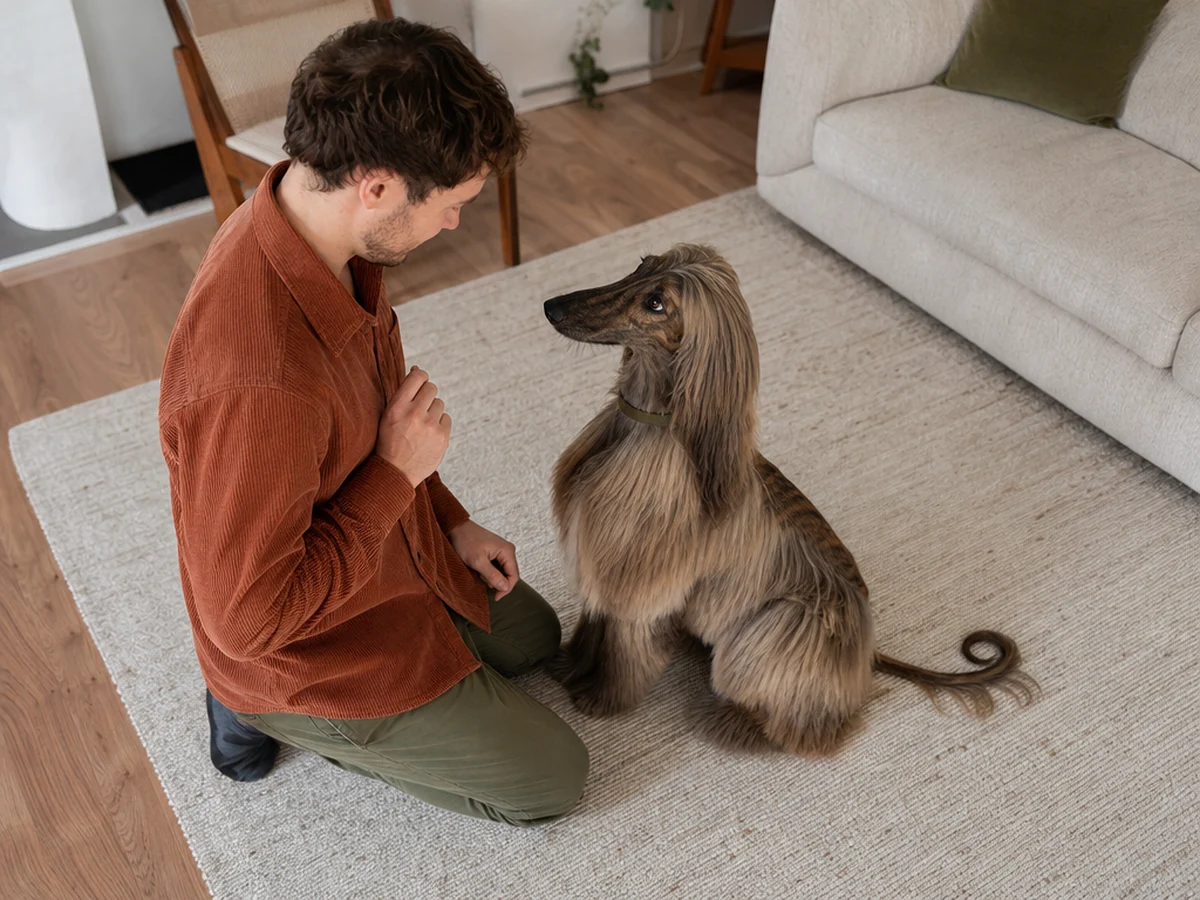
The AKC says that unless obedience or agility competition is a goal, teaching basic commands such as come, sit, and stay is generally sufficient. We have trained this breed for many years and agree, since those three behaviors cover nearly everything a companion Afghan needs.
Sit gives a calm, polite job during greetings and a steady posture while you tend the long coat. Stay lets you open a door, towel off muddy paws, or hold still for an exam. Come is the happy habit of turning toward you.
Teaching Sit With a Lure
A lure is a treat used to guide the nose into position, and a marker is a short sound, such as a cheerful yes, that tells your dog the exact action just earned a reward. The same pattern of guide, mark, pay, and fade works for most cues.
- With a treat touching your dog's nose, slide your hand slowly back over the head so the nose follows and the rear folds down.
- Say your marker the moment the rear touches the floor, then deliver the treat at the mouth.
- After several successes, make the same hand path with nothing in it and pay from your other hand.
- Say sit once just before your hand moves, until the word alone predicts the behavior.
- Practice in new rooms, then the yard, then quiet outdoor spots on a leash.
Building Stay in Small Steps
A stay means holding a position until you release your dog with a word. Choose a release word such as free and use it every time, so the stay always has a clear ending. Build time first, then distance, then distractions, and raise only one at once. Reward while the dog is still in position, and walk back to them instead of calling them out of it. If they break, reset calmly and make the next try easier.
Making Come a Happy Habit
Say the cue in a bright voice, step back, and pay generously when your dog arrives. Begin at close range indoors. Pay, then let them return to whatever they were enjoying, so coming to you never ends their fun. A dog who learns that coming costs them something good will stop coming.
Gentle Afghan Hound Training Beats Firm Handling
The third belief is that an independent dog needs a stern hand before they take you seriously. For this breed the evidence points the other way. The breed standard notes that the Afghan does not respond well to harsh training methods, and several survey studies have linked reward-based methods to higher obedience.
The temperament explains why. A loyal, sensitive dog who is used to deciding things alone does not become more cooperative under pressure. They become quieter, slower, and less willing to offer anything at all. A dog who has shut down looks like a stubborn one, and owners then push harder, which deepens the problem. What an Afghan needs from you is consistency: the same cue, the same reward, and the same friendly voice every day.
When a cue the dog knows gets ignored, ask three questions. Was the reward worth the effort, was the setting too hard, and did the lesson run too long? Nearly always one of these is the answer, and the fix is to make the lesson easier or the pay better. If play gets too rowdy, stop the game for a moment and resume when they settle.
Short Training Sessions Beat Long Drills
The fourth belief is that more time on task builds reliability, so a long lesson with every cue repeated until perfect must be best. For an Afghan, learning depends on interest rather than stamina. A self-willed dog who finds a lesson repetitive does not push through it. They drift away, and every repetition past that point costs goodwill without teaching anything.
Short, frequent sessions fix this. Each one starts fresh with a reward, so the dog meets the lesson when it is most interesting, and you can tuck them into ordinary moments such as before a meal or after a play break. A good session follows a simple pattern:
- Let your dog burn off energy first when you can, because short walks do not satisfy this athletic breed and a dog who has recently run in a secure area settles more easily.
- Open with a cue they already know, so the first repetition is an easy win.
- Ask for only a few repetitions, mark each right answer the instant it happens, and pay right after.
- End on a success while interest is still high, then release them with a cheerful word.
- If they turn away, treat it as information that the lesson was too long, too hard, or too dull, and make the next one shorter and easier.
Short is not lazy for this breed. It is the method, because stopping early keeps the dog curious about the next session.
Treats in Afghan Hound Training Are Not Bribery
The fifth belief is that food rewards spoil a dog and teach them to work only when you hold a snack. The difference lies in timing. A bribe appears before the behavior to persuade the dog. A reward arrives afterward as payment. A reward works like wages: giving a dog food, toys or praise for an action makes that action more likely to happen again. The marker bridges the gap, so you can pay a second later without confusion.
An independent hound cares a great deal about what is on offer, so match the wage to the difficulty. The more distracting the place, the better the reward should be. A soft, smelly treat kept only for training can beat a wide-open yard. Keep pieces tiny so you can run many repetitions quickly.
Food is only one currency. A life reward is any good thing your dog already wants, such as being released to sniff a bush, a toss of a toy, or an invitation onto the sofa. Scent games work too, and simple nose work lets a dog find treats hidden in open boxes and reward themselves for using their nose. Over time, you thin the food and lean on life rewards, which keeps the habit without the snack.
A Trained Afghan Hound Still Needs a Fence
The sixth belief is that truly good training means you can trust your dog off leash anywhere. With this breed the honest answer is no. The Afghan has a very well-developed chase instinct, a built-in response set off by the sight of movement, and a strong urge to run off in pursuit of perceived prey, so walking off leash is not advisable.
When a squirrel bolts across a field, the contest is not your treat against nothing. It is your treat against a drive they were bred for.
Teach recall anyway, but use it where it can succeed: indoors, in a fenced yard, and on a long leash outside. Treat it as a useful bonus in those settings, never as a safety net in open ground.
The fence does the job recall cannot. Ideally an Afghan runs full out several times a week in a large, enclosed area, and that outlet also makes them calmer in lessons. Because Afghans are tall, lean, and strong, which makes them excellent jumpers, the fence must be high and secure. Check latches every time. Let the fence handle safety and recall handle convenience.
Basic Training Is Enough Unless You Compete
The last belief to settle is that you must keep adding to the curriculum. Competition is a fine goal, and obedience and agility are exactly the goals that justify going further. If one of them appeals, build on the same rewarded cues.
For a companion, a few well-paid behaviors, short sessions, a gentle voice, and solid fencing suit this independent, sensitive, chase-driven hound far better than a long list. Regular vet visits also help, since a vet can catch changes in how your dog moves or responds before they become problems. Once come, sit, and stay are dependable at home, a few questions usually follow:
- How do you stop an Afghan from rushing through doors? Start with Afghan Hound gate manners, which build on the stay.
- What should walks look like when movement makes your dog lunge? See Afghan Hound loose-leash walking for the steps.
- How should you start with a new puppy? Read about housetraining an Afghan Hound puppy who wants to please.
- Where does it all fit together? Follow the Afghan Hound training roadmap for an independent dog.
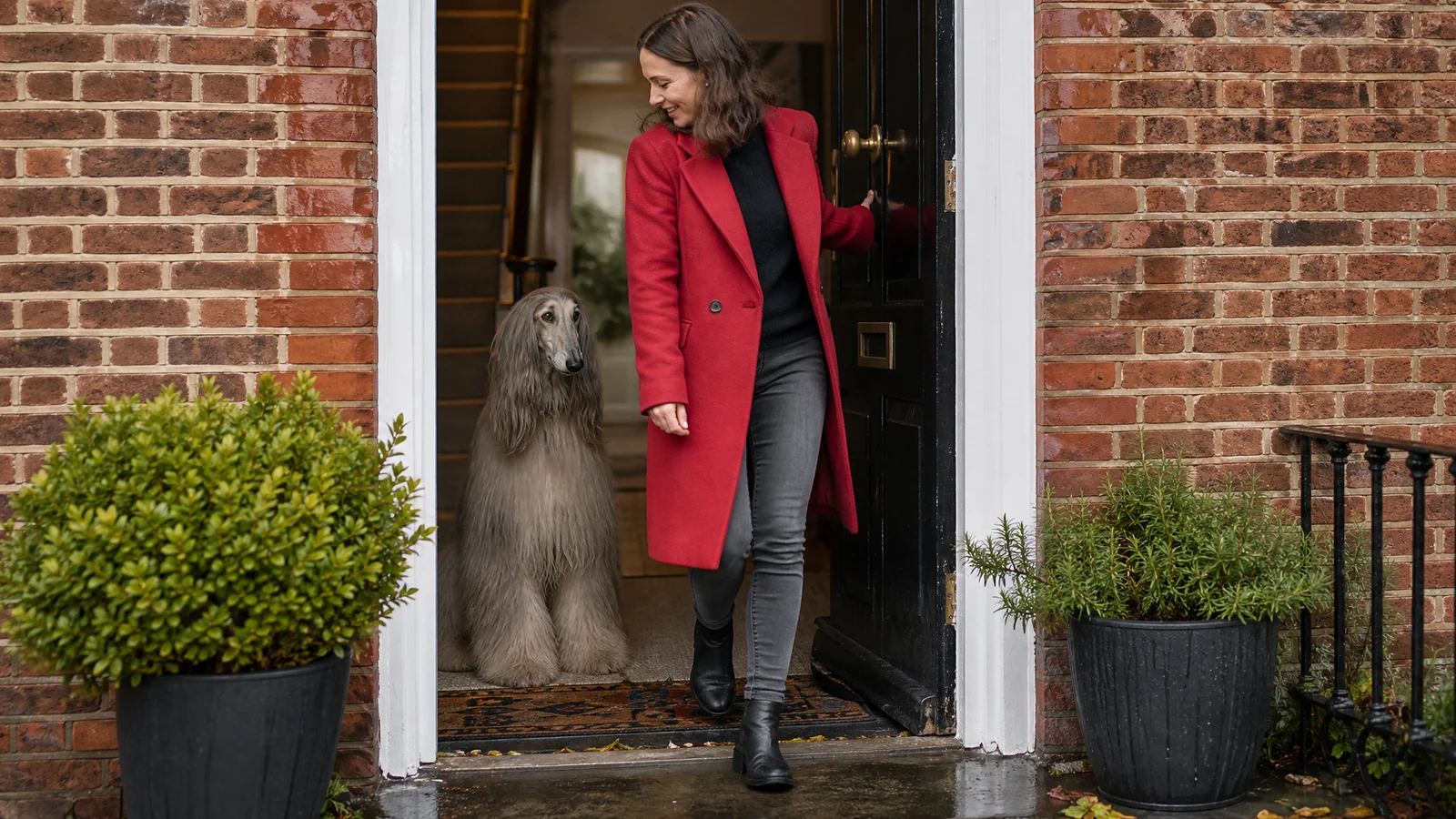 Training basicsWait at the Door: Gate Manners for an Afghan Hound Who Bolts
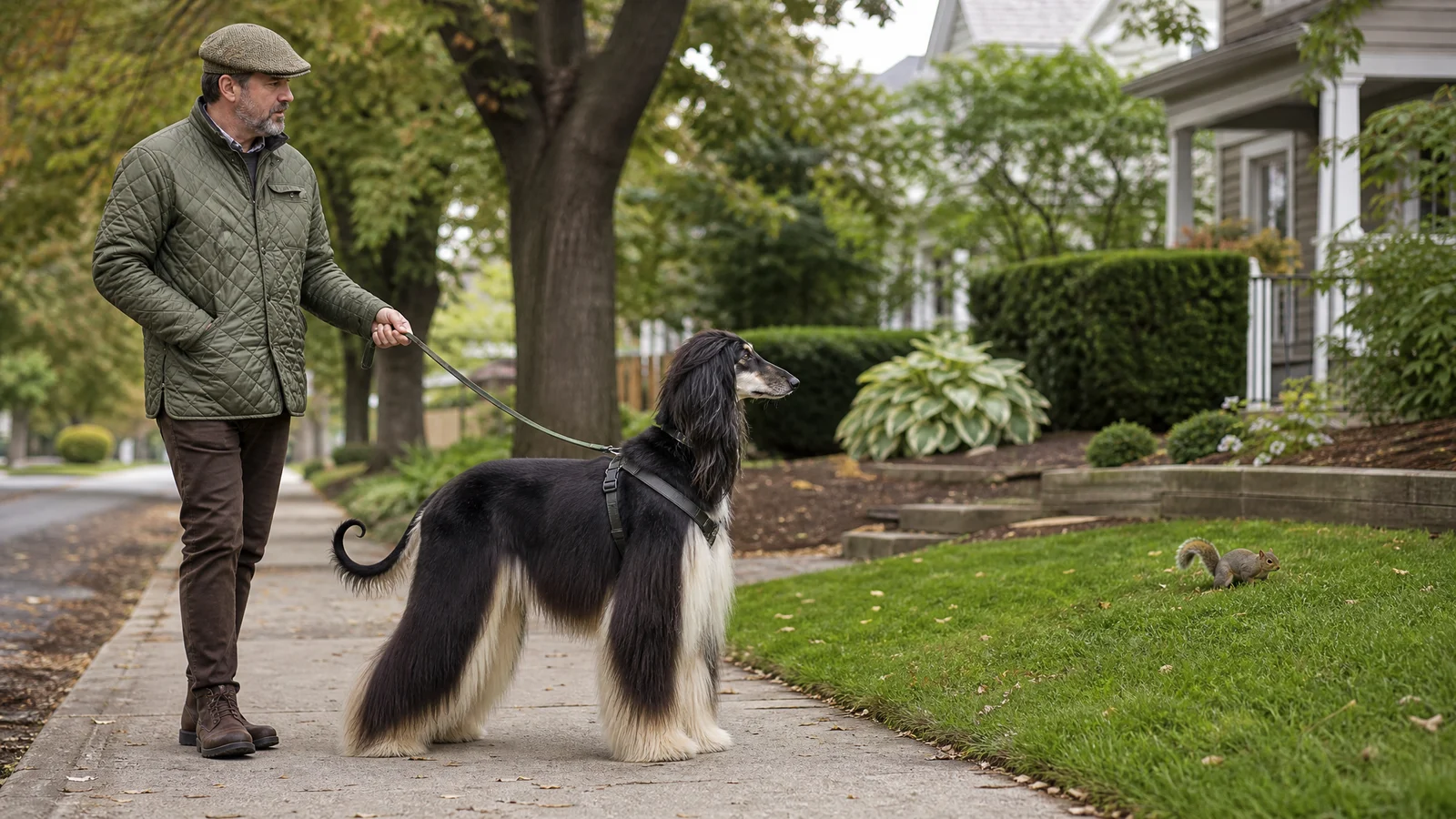 BehaviorBred to Chase by Sight: Managing the Afghan Hound's Prey Drive
 BehaviorHelping a Loyal Adult Afghan Hound Settle Into a New Home