 Afghan Hound
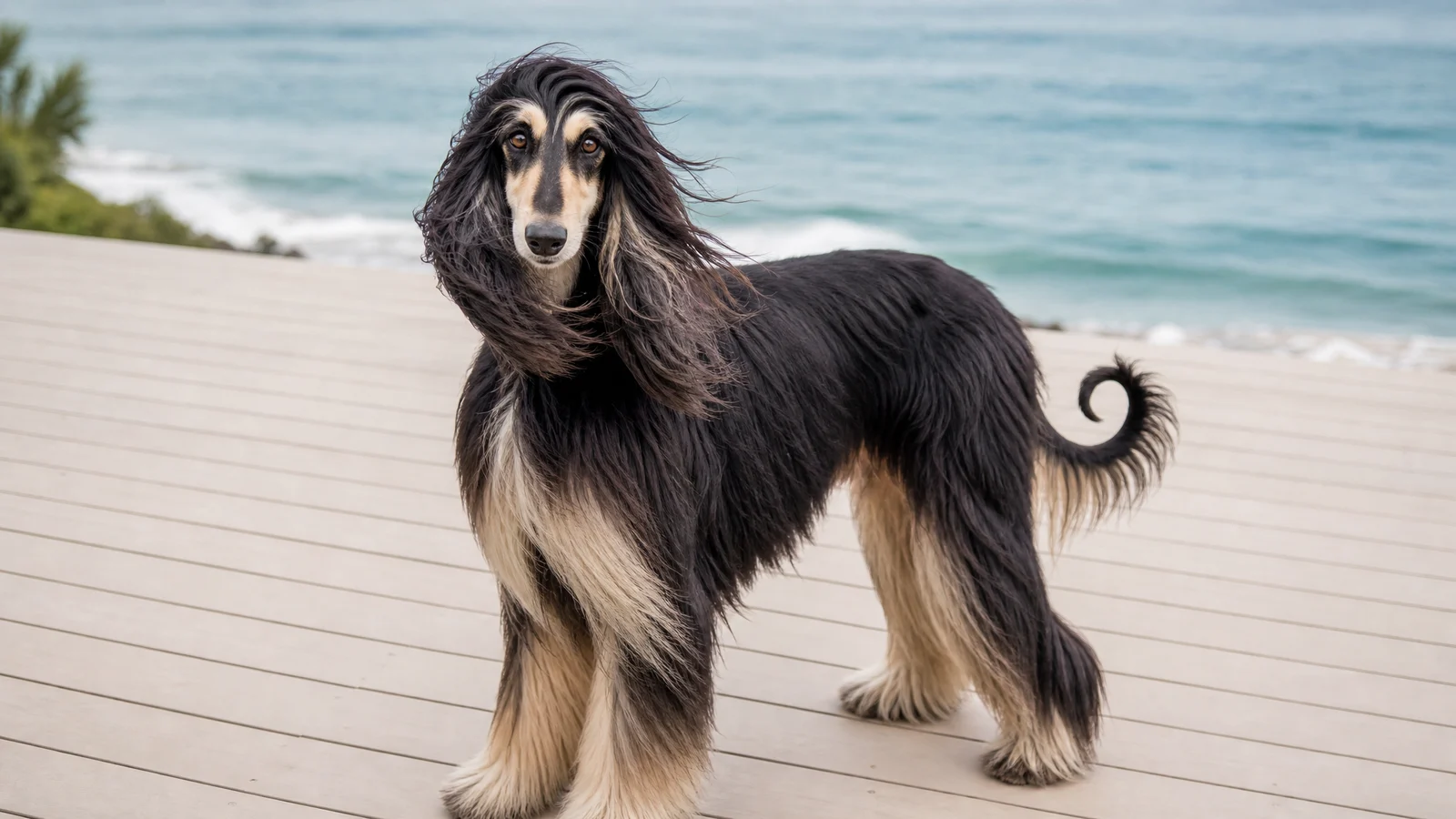
Reward the first small turn toward you, then let your Afghan Hound go back to looking around. That is the whole skill. A head swing, an ear flick in your direction or a step toward you counts, and nobody has to hold eye contact for it to count.
In this article, we'll go through one exchange you can run today and the rewards that keep it worth offering, plus three questions owners tend to ask about cues. Each answer sits in the section whose topic it extends.
Focus is a brief exchange of information, not a demand to ignore people, animals, movement or scent. A dog who is tracking movement or scent is gathering information, and some moments call for space instead of a cue.
Run One Afghan Hound Focus Exchange
Start where turning toward you is already easy, such as a quiet room where your Afghan Hound can notice you without leaving something important. The Dogs Trust focus lesson rewards orientation after the name cue and depends on clear communication between marker and reward. The five steps below keep that sequence short, and each round should end before the cue turns into background noise.
- Pick the spot. Stand where the dog can watch the area safely and still notice you.
- Cue once. Say the name or your chosen focus word while your hands stay quiet and the reward stays out of view.
- Mark the turn. Catch the first clear movement of head, ears or body toward you.
- Reward it. Deliver the earned reward where the dog can comfortably check in again.
- Release. Let the dog return to looking, sniffing or moving, so every round has an ending.
When no turn comes, change the setting instead of repeating the cue faster or louder. More distance, less movement or a different reward can make the exchange workable again.
Is it focus when an Afghan Hound only looks up while food is showing? Not yet, because the dog is following the reward. Keep the food or toy hidden until after the marker, cue once and reward the turn toward you, so the cue is the signal and your hand is not. For the full return behavior, see our Afghan Hound recall training guide.
Keep focus separate from recall. A check-in can help the dog receive the next cue, but it does not itself ask for movement all the way to you, so release after the reward unless another already-trained signal fits.
A Quick Glance Is a Real Afghan Hound Check-In
Look for the nose, head or shoulders turning your way. Lasting eye contact is optional for an Afghan, and insisting on it can pull the dog away from observing their surroundings. A dog who needs to watch something, or to move away from a concern, should be given space instead of a cue.
Do not ask for attention while your Afghan Hound is scanning something that could affect safety or comfort. Add distance, secure the dog and wait for ordinary movement to return. Regular veterinary visits belong in normal care, and a sudden change in hearing, vision, responsiveness or engagement is something to mention to the vet rather than treat as a cue problem.
Does focus indoors prove the cue is ready near moving animals? Not by itself. The United Kennel Club breed standard says the Afghan Hound has a very well-developed chase instinct, so moving animals are the hardest setting to practice in. Begin much farther away, keep the dog physically secure and leave when they cannot reorient.
Rewards and Markers That Keep Afghan Hound Focus Worth Offering
Food is only one option. The AVSAB position statement describes reward-based trainers using a cue to request a behavior, a clicker or verbal marker to mark it, and treats, toys or other reinforcers to reward it. Watch what produces a clear turn in each setting instead of assuming one reward works everywhere, and jot down the reward and place so everyone at home pays the same way.
Pick one marker word or sound that everyone in the home can deliver cleanly. Blue Cross describes marker training as a clear signal paired with something the dog values. Mark only the chosen turn, then pay it. If the marker comes late or lands on a different movement, the dog has no clear way to learn which movement earned the reward.
Can two caregivers use the same focus signal? Yes, as long as both give it once, mark the same small turn and follow with an earned reward. They can choose different rewards while keeping the signal and the release the same.
Where the reward lands matters too. Delivery beside your leg brings the dog into a handy position, while placing it a short distance away creates a natural reset. Our Afghan Hound trainability guide covers reward choice more broadly.
Carrying Focus Past the Living Room
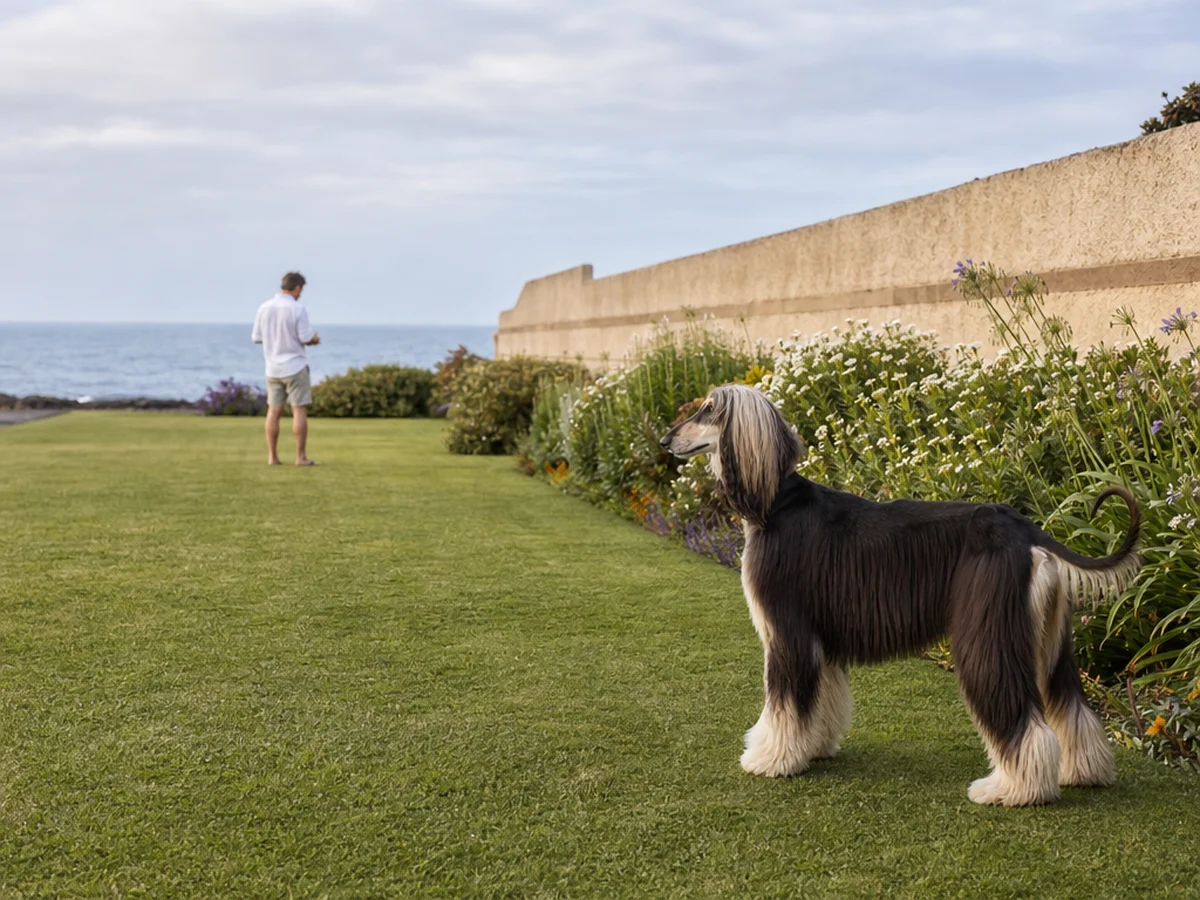
Change one feature at a time, such as moving from one quiet room to another or from the house into a secure yard. Ask for one easy check-in, reward it and release, and do not assume the cue has carried over just because it worked at home. If the turn disappears, go back to the earlier setting and work out which change made it harder.
Attention practice does not replace a leash, a secure enclosure or a safe distance around moving animals. Focus adds communication while those protections stay in place, and it never guarantees attention everywhere.
 Training basicsHow to Teach an Afghan Hound to Lie Down
 Training basicsHow to Choose an Afghan Hound Trainer
 Puppy trainingAfghan Hound at 6 to 12 Months: Adolescence Begins