 Afghan Hound
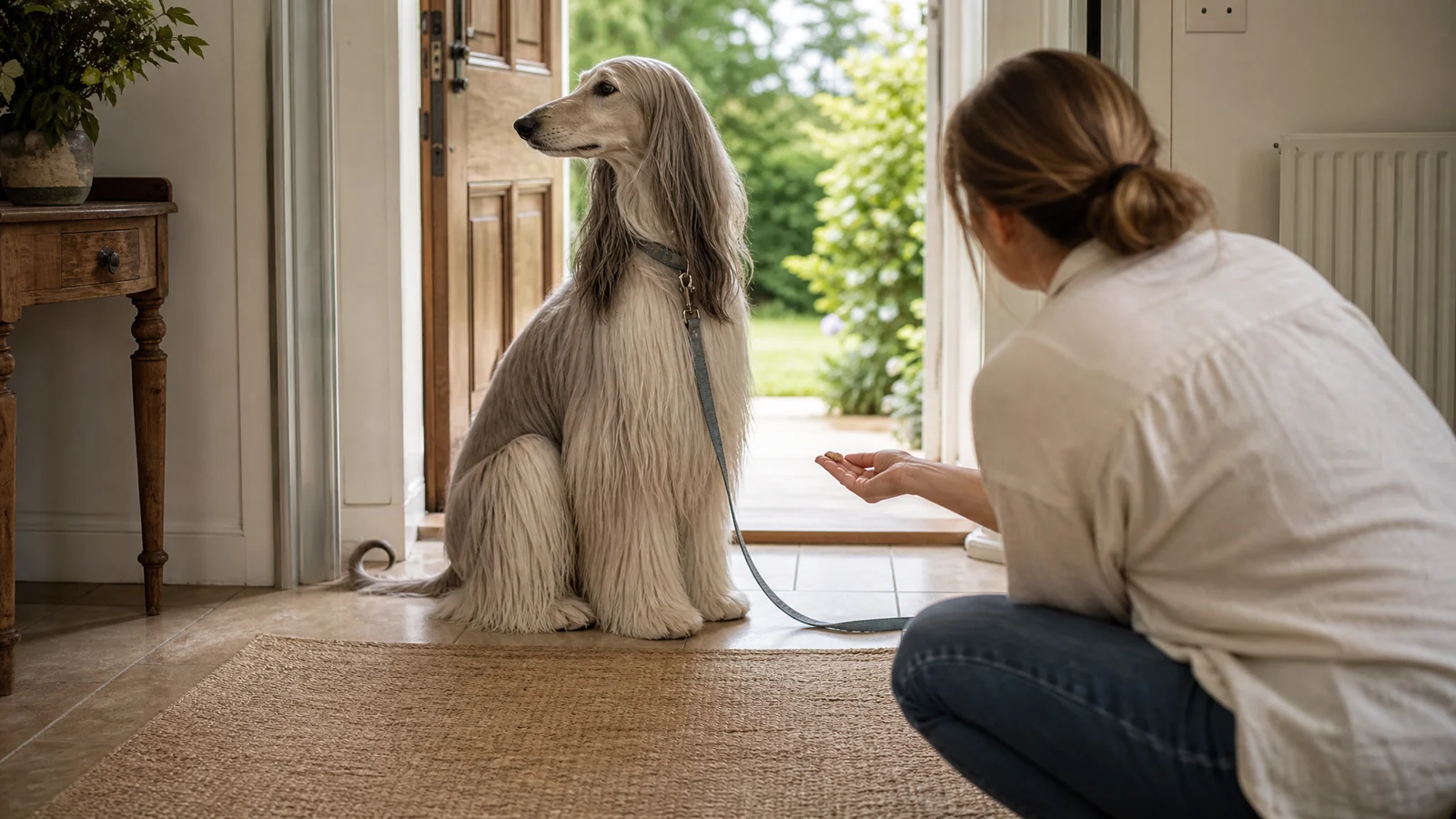
No, the Afghan Hound is not easy to train, and the AKC's 1 of 5 rating, labeled "Self-Willed," says so plainly. The reason is temperament. This is an independent sighthound with a strong chase instinct, and they weigh every request against everything else happening around them. That is a difference in motivation, not a shortage of brains.
The distinction matters because the usual answer to independence is more pressure and louder repetition, which costs you the trust of a sensitive dog. Handled well, the same independence becomes a calm, loyal companion who chooses to work with you. Read on for the rewards, gear, training spaces and routines that suit this temperament, and for a day-by-day plan to start your own training.
Self-Willed Temperament Behind the 1 of 5
The trainability scale runs from Self-Willed at 1, through Agreeable at 3, to Eager to Please at 5, and the Afghan Hound sits at the bottom. The breed standard puts the same idea in words: a strong-willed, independent thinker who prefers to do things their own way. Both descriptions are about temperament and say nothing about how well the dog can learn.
Independent Is Not the Same as Dull
An Afghan Hound usually understands what you asked. What they weigh is whether answering is worth leaving whatever else has their attention, and a dog built to combine speed with power and agility always has something worth leaving for. Reading a slow answer as stupidity leads people to repeat the cue louder, which teaches only that the cue is background noise.
So motivation, not comprehension, is what you work on. You are less teaching what sit means than making it the best offer on the table at that moment. After years with this breed, we can tell you that an Afghan who ignores you is rarely confused. They are negotiating, and you set the price.
Why Harsh Handling Backfires
Sensitivity is the other half of the temperament. The breed is aloof and dignified with strangers, devoted to the people they have bonded with, and does not respond well to harsh training. The breed standard lists sharpness and shyness as temperament faults, so a frightened or defensive Afghan is a long way from the dog the standard describes.
Research on dogs in general points the same way. In a 2020 study of 92 companion dogs, those from schools using mostly harsh methods showed more stress behaviors, tenser postures and more panting. Their cortisol also rose further after training than it did in dogs from reward-based schools.
A leading veterinary behavior group goes further, concluding that dogs of every kind should be taught with only reward-based methods, behavior problems included. For anyone planning months ahead, the cost is plain. A dog who learns that training is unpleasant gets harder to teach at every later stage, and an aloof dog hands out trust slowly.
Where Loyalty Helps
The bond that makes an Afghan Hound selective also works in your favor. The AKC notes that their loyalty and wish to please can make them fairly easy to housetrain, so start early with the steps in our guide to housetraining an Afghan Hound puppy.
The same loyalty has a cost later. An adult can find it hard to adjust to a new home, so a rehomed dog needs a very predictable first stretch and patience while the bond forms again. Plan for that settling period before you expect any formal training.
Which Rewards Suit an Afghan Hound's Temperament?
Rewards are the center of the toolkit. When a dog gets food, toys or praise after doing something, they are more likely to offer it again, and all training should be built this way. With a selective, dignified dog, though, the real question is which reward is worth enough at a given moment, so decide the ranking before you begin.
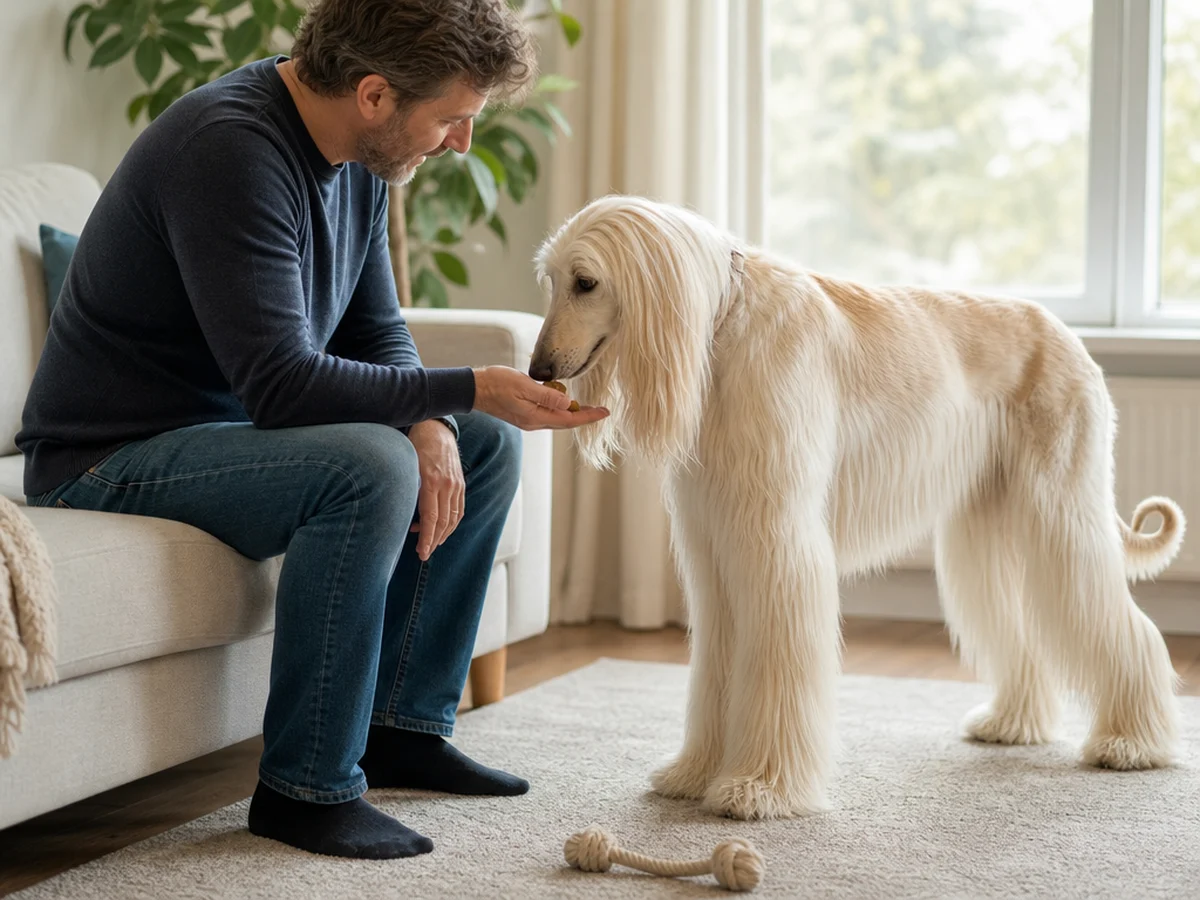
The table sets out the four reward types we reach for with this breed, what each does best, and what it costs you.
| Reward | Best used for | Trade-off |
|---|---|---|
| Small soft treats | Teaching new cues in a quiet place | Lose value fast if the same treat appears every session |
| A favorite toy or short game | Brief bursts after a cue the dog already knows | Can excite the dog past thinking, so keep it short |
| Calm praise and touch | Marking small wins and relaxed moments | Usually too weak on its own around distractions |
| Life rewards | Sniffing time, a gate opening, the start of a walk | Depend on you controlling the moment |
Small, Soft, Varied Food Rewards
Food is the best teaching tool in the early months because you can deliver it fast and in tiny amounts. Cut treats very small, rotate a few kinds, and save the best one for the hardest moment. A dog who happily ignores a dull biscuit will often take a morsel of something special.
Pair each treat with a marker word, a short and consistent sound you say at the instant the dog does the right thing. The marker tells an independent dog exactly what earned the payment, and that clarity matters more with this breed than extra repetitions do.
Play and Praise in Their Place
The breed can be exuberant and playful with family, and the playful streak often shows up as an endearing silliness. A short game works as a reward once the dog is calm and focused on you. End it while the dog still wants more, so they look forward to the next session instead of drifting off.
Praise should be warm but quiet. An aloof dog often finds a calm voice and a gentle touch more welcome than loud enthusiasm, so save big celebrations for moments when the dog is already relaxed. Around distractions, praise rarely outbids a good smell, which is why it works best as a supplement to food.
This is general information, not veterinary advice. Check with your veterinarian before giving any medicine or changing your dog's diet.
Life Rewards Cost Nothing
Have the dog sit before the door opens, the leash comes out or the yard gate swings wide, and the activity itself pays for the behavior. This suits a dog with a strong interest in the world, because the things they want are already part of the day.
The cost is discipline on your side. A life reward only works if you control the moment, so it is a poor tool on days when you are rushing and cannot wait for the dog to answer.
Training Gear That Keeps a Sighthound Safe
Gear for this breed is mostly about safety and management. The Afghan Hound has a strong instinct to run off in pursuit of perceived prey, and walking off leash is not advisable. So the aim is not a dog you can trust loose. It is a setup in which a sudden sprint never becomes a danger.
These are the pieces worth owning:
- A snug, well-fitted harness lets you hold on securely, and it should be tight enough that a sudden backward pull cannot slip it off.
- A light long line gives the dog room to move and sniff while you keep control, and it is the right tool for practicing coming when called outdoors, but only while you are holding it.
- A standard leash is for loose-leash walking, which suits a breed that can trot at a fast pace on a loose leash. Our guide to loose-leash walking for an Afghan Hound goes through it step by step.
- A high, secure fence is non-negotiable, because Afghans are tall, lean, strong and excellent jumpers.
- A treat pouch and a settle mat keep rewards at hand and give the dog a clear place to relax between exercises.
Check the long coat under any strap whenever you groom, since a poorly placed harness can mat it. Introduce each piece calmly with treats so that putting it on predicts something pleasant.
We disagree with the common advice to work toward a dog who is reliable off leash. Plan on containment and leashed outings for the dog's whole life and treat any good recall as a bonus. Unless you want to compete in obedience or agility, teaching basic commands such as come, sit and stay is generally sufficient, and one failed recall near a road cannot be undone.
Where Should Afghan Hound Training Happen?
Space is a training tool too, because it controls how many things compete for your dog's attention. Treat it as a ladder you climb slowly, with the quiet, enclosed rung first.
Starting Quiet and Enclosed
Where do we begin? In a quiet room or a fenced yard with nothing else going on. An independent dog who cannot find a better offer in the environment is far more likely to choose you.
Stay on this rung until the dog answers a cue reliably several times in a row. Moving up early is the most common way to turn a promising session into a dog who looks past you.
Adding Distractions Slowly
When do distractions join in? Change a single thing at a time, such as a new room, then the yard, then a quiet sidewalk on a long line. Drop back a step with better rewards whenever answers slow down.
Other dogs come last. The breed is rated as fine with other dogs under supervision, so begin at a distance with calm, known dogs and reward the Afghan for looking at you instead of at them. Our piece on socializing an aloof Afghan Hound covers the gentler side of this.
Space for Running Off Energy
Is a yard enough? Usually not. Short walks do not provide enough exercise for this athletic breed, and ideally an Afghan gets to run full out several times a week in a large, enclosed area. Energy is rated high, at 4 of 5, and a dog who has had a proper run is much easier to teach.
What about time alone? A deeply bonded dog does best when they learn early that a comfortable resting place is a good one. Our guide to Afghan Hound crate training and resting alone covers that in detail.
Routines That Suit an Independent Hound's Temperament
A routine does the work that force cannot. It makes training a predictable, pleasant part of the day, which is what a dignified, sensitive dog needs before they will take part willingly. Adaptability is only moderate for the breed, so steady patterns help more than frequent change.
Short Sessions, Often
Limit each session to a few minutes, and stop while the dog is still engaged. Several tiny sessions through the day, perhaps before a walk or while dinner is prepared, beat one long block that ends with a bored hound walking away. Mental stimulation needs are moderate, so you are building a habit, not filling hours.
You will often hear that a cue should be repeated again and again until it becomes automatic. With this breed we would stop at the first clean success, give a good reward, and leave. Drilling past boredom shows up days later as a dog who finds reasons to be elsewhere.
Timing and Consistency
Mark the exact instant of success and use the same cue words every time. Everyone in the household should use the same words and rewards, because an independent dog will happily exploit any gap between the people around them.
Fold handling into the routine too. A coat this long needs frequent grooming for life, so reward calm standing and touching from the start. Schedule regular veterinary checkups, and call your vet if behavior changes suddenly, because a shift in how a dog responds can have a physical cause.
Planning by Life Stage
In the early months, build habits: name, marker, settling, handling, gear and the housetraining routine. As the dog matures, widen the spaces and add duration to behaviors they already know. Keep rewards flexible across every stage, because what motivates a young dog may not motivate the same dog later.
Once they reach maturity, long leashed runs become an option, and they spend the energy that makes calm behavior hard at home. For the wider picture of how these pieces fit together, our complete Afghan Hound training guide maps the whole path.
A Two-Week Plan for Your Afghan Hound
This plan ties the tools together in small steps, and every step assumes short sessions in a safe, enclosed spot. Adjust the pace to your dog, and move on only once the step you are on feels easy.
- Day one: rank your treats from good to best, set up a quiet room, and run a few tiny sessions that pair your marker word with a treat until the dog perks up at the sound.
- Days two and three: reward every look at you, add a lured sit, and end each session on a success.
- Days four and five: introduce the harness and treat pouch calmly, rewarding the dog for letting you put them on and for standing still.
- Days six and seven: practice the same cues in a second room and then in the fenced yard, dropping back to the best treat whenever the dog slows down.
- Days eight to ten: begin short loose-leash walks near home, rewarding every few steps the dog stays beside you.
- Days eleven and twelve: clip on the long line inside the fence and practice coming when called, rewarding generously every time.
- Day thirteen: add a short handling session with a brush, pairing each stroke with a tiny reward and stopping before the dog complains.
- Day fourteen: review which rewards the dog preferred, adjust your ranking, and book a veterinary visit if one is due.
The lesson behind the 1 of 5 is that an Afghan Hound cooperates when cooperation is worth their while and safe. Their independence is a trait to work with, not a verdict on their intelligence.
Meet that independence with strong rewards, secure containment and short, steady routines, and you keep the trust the breed's loyalty is built on. That trust is the real payoff, because a sensitive dog who feels safe with you will choose to work with you for years.
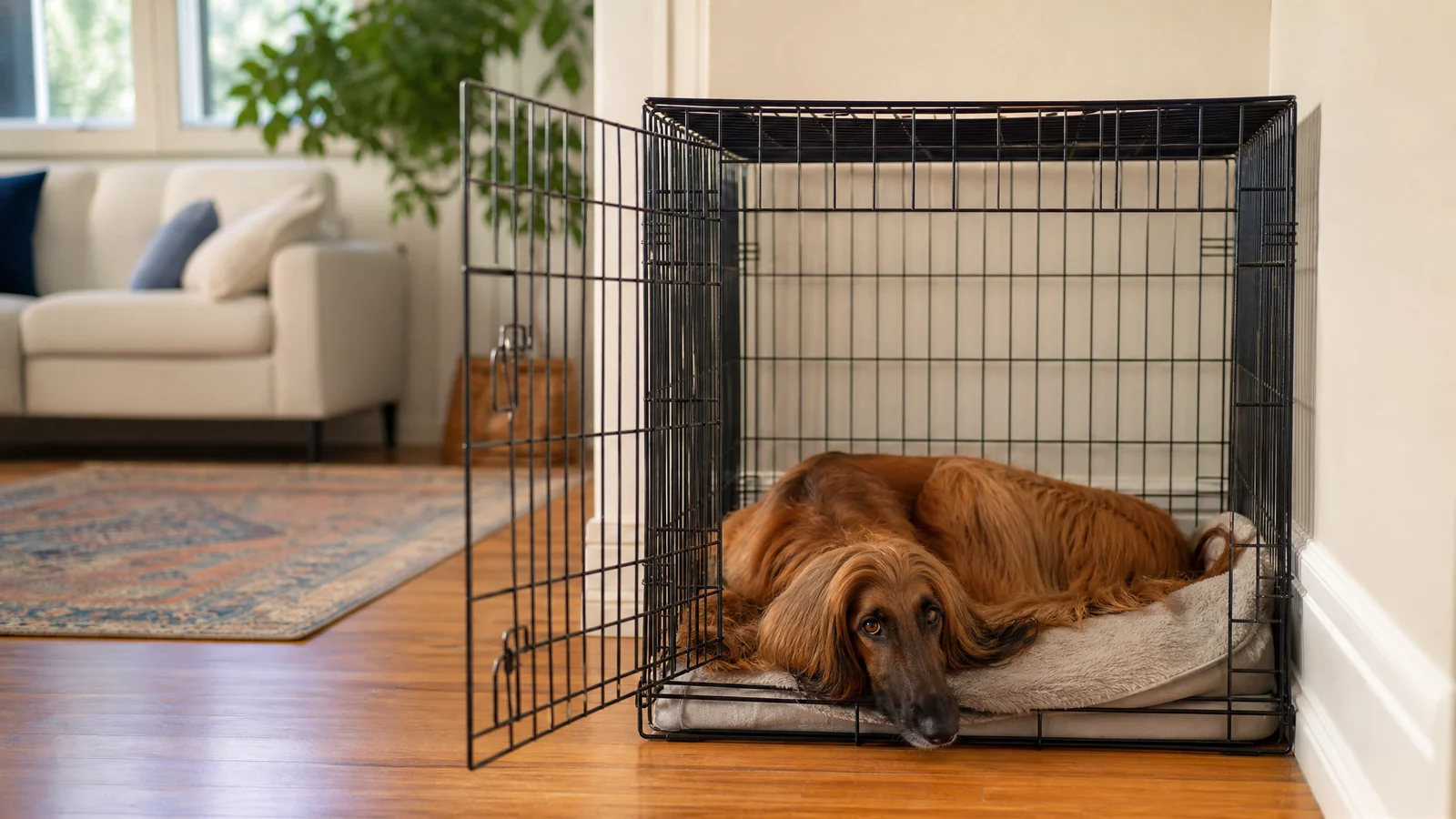 Training basicsTeaching an Afghan Hound to Rest Alone in a Crate
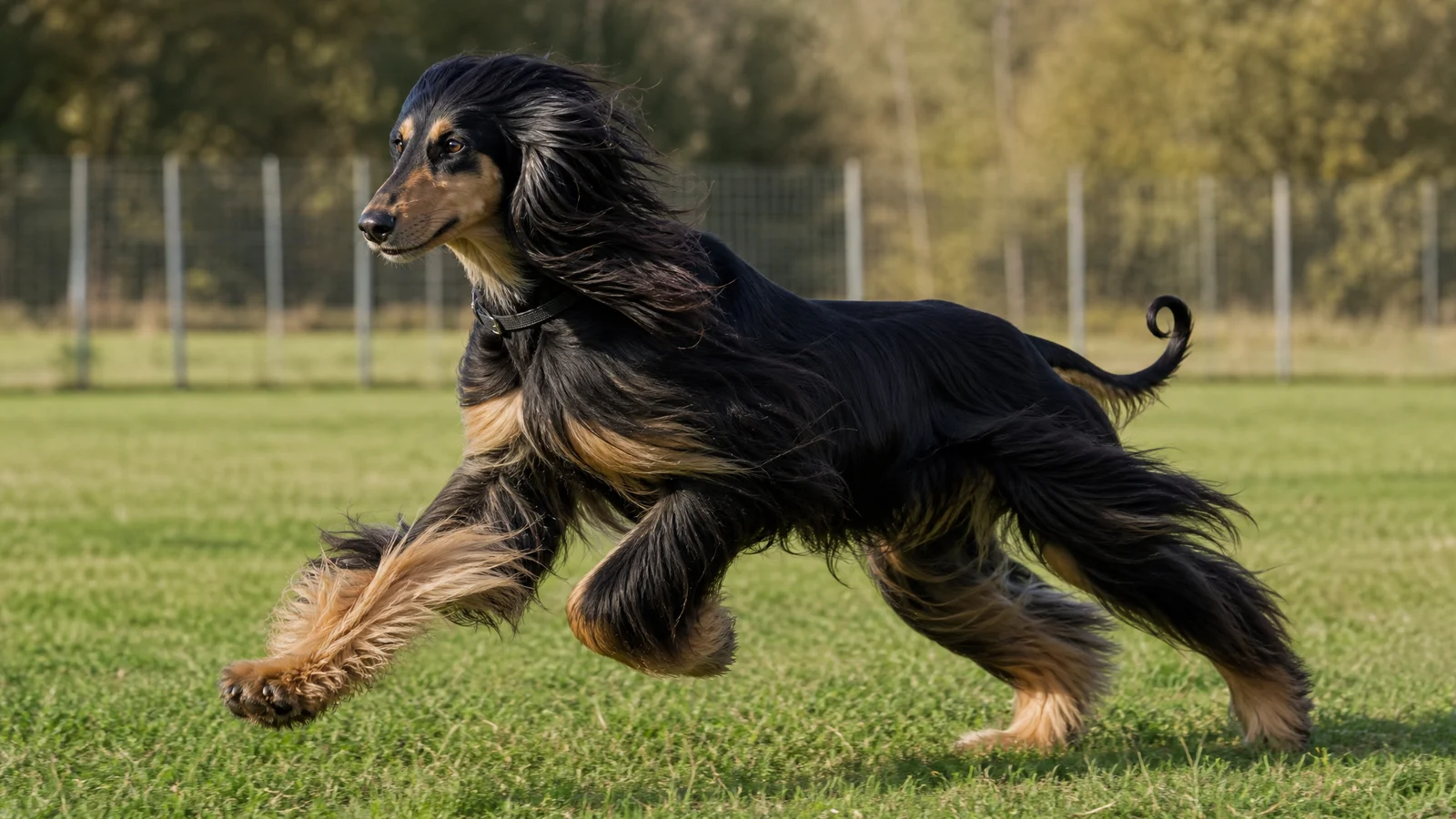 Exercise and jobsWhy Short Walks Fall Short for a Full-Speed Afghan Hound
 Training basicsHousetraining an Afghan Hound Baby Who Wants to Please