 Afghan Hound
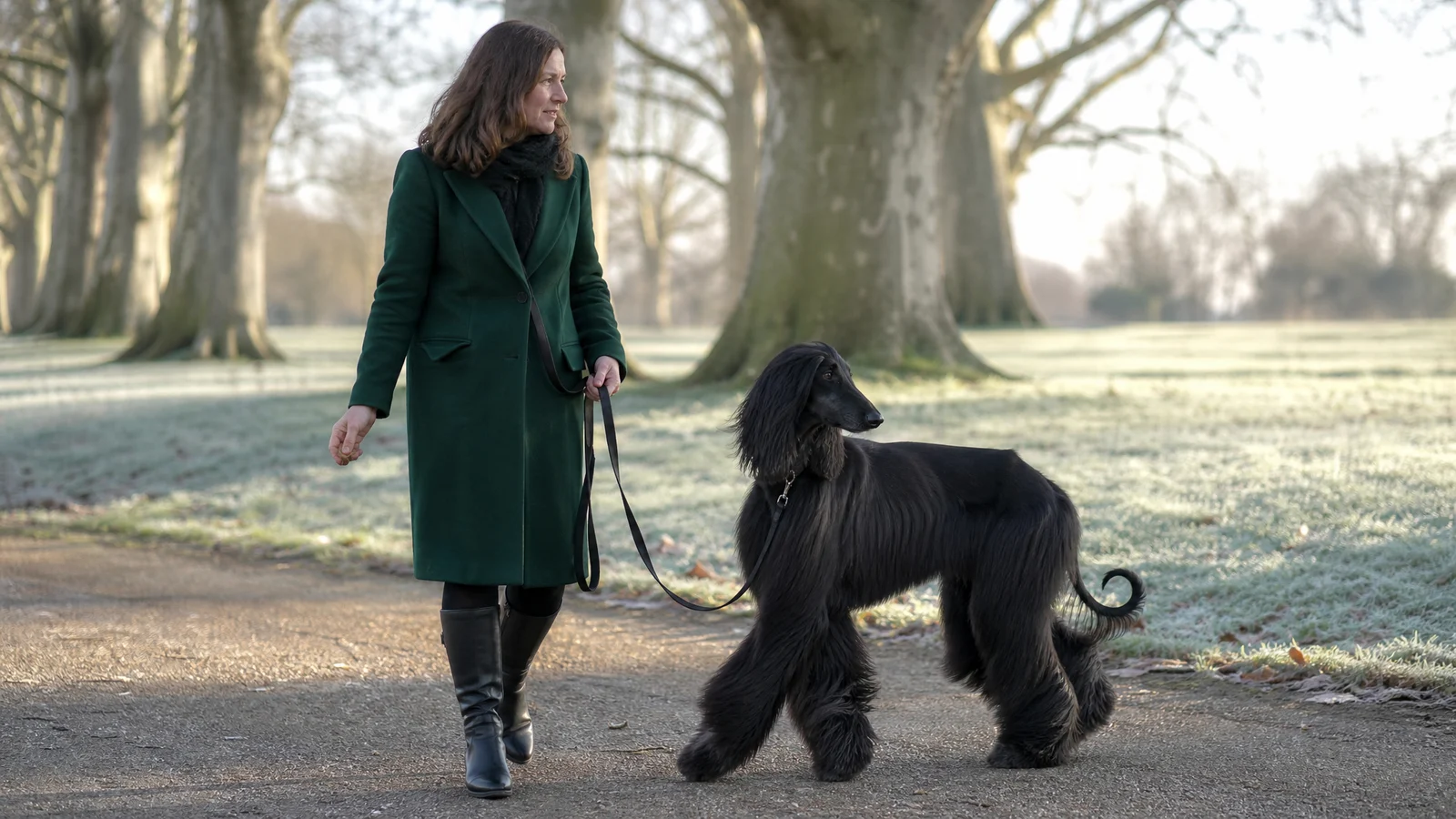
At 6 to 12 months, treat an Afghan Hound's difficult lesson as a changed training situation first, not proof that adolescence erased a skill. Ask what became harder, return to the last setting where the response was comfortable, and change one condition at a time. We can then see whether the response is present in a simpler setup before increasing movement, distance or access.
Adolescence is relevant background, but it is not a complete explanation for every missed cue. This guide works backward from the difficult encounter, keeps access secure around movement, and rebuilds one familiar lesson without assigning the breed a date when training should be finished. We use Afghan now and then as breed shorthand, while treating the dog in front of us as the individual whose setting and response guide the next step.
Which Adolescent Training Situation Actually Changed?
Write down the place, distance, movement and available reward before deciding the dog forgot. A response that appeared easy in a quiet room may not yet be fluent beside a doorway, on a new surface or near moving activity.
Next, compare the difficult moment with the most recent comfortable version. If several conditions changed together, the result cannot show which one mattered, so the next practice should simplify the picture rather than add more demands.
This is an observation problem, not a test of motive. Record what happened before the cue, what the dog did, and what happened immediately afterward, then use that sequence to choose one easier starting condition.
Secure Access Comes Before Afghan Hound Practice
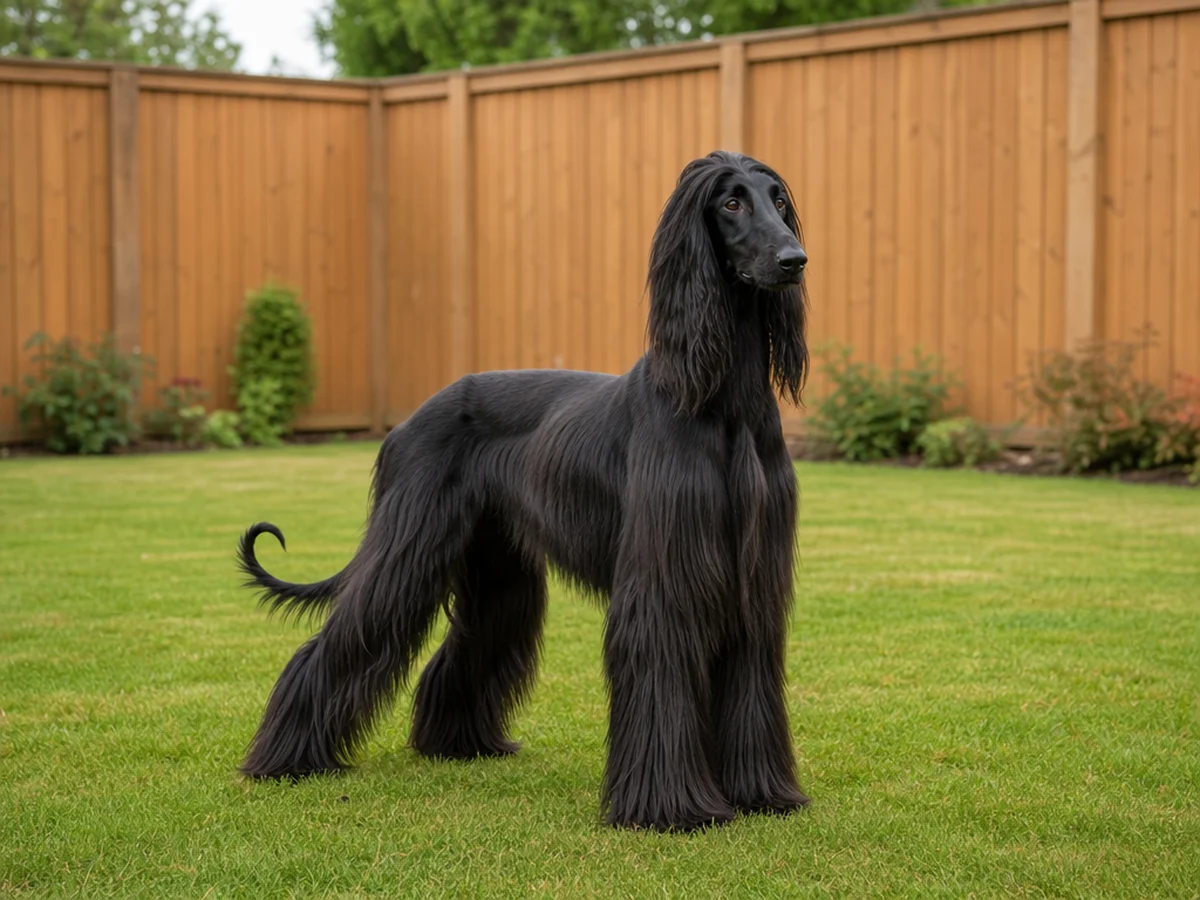
The United Kennel Club breed standard describes a very well-developed chase instinct in the Afghan Hound. That supports maintained physical boundaries around moving animals, not an attempt to prove reliability through off-leash exposure.
Indoors With Fewer Distractions
Begin where doors are closed, foot traffic is predictable and the dog has room to turn away. Reduce the number of moving people or objects in view so the lesson measures the familiar response instead of access to everything in the room.
For the detailed call-back setup, use the separate Afghan Hound recall training guide. Here, the job is simply to choose an indoor arrangement where the dog cannot rehearse a dash toward an opening.
Outside With Physical Security
Outdoors, use a secure enclosed area or an appropriate attached leash rather than adding freedom as a difficulty test. Select enough distance from movement that the dog can notice it without the practice turning into pursuit.
If pulling around movement is the immediate problem, follow the dedicated Afghan Hound leash walking plan. Keep this age-stage session focused on rebuilding the known response inside a physically secure setup.
Questions About Afghan Hound Adolescence
May the reward change when the practice location changes? Yes. A reward is useful only if the dog values it in that setting, so a quiet-room choice may not compete with outdoor movement. Keep the requested behavior and marker clear while selecting an appropriate food, toy or other reward for the location.
Is one difficult outing a reason to replace a familiar cue? No. One encounter does not show that the cue itself is unusable, especially when place, distance and movement also changed. Recheck the cue in the last comfortable setting before deciding whether a new signal is needed.
What should a household log before asking a trainer for help? Note the setting, distance from the distraction, cue, observable response and consequence. A short factual record gives a reward-based trainer something concrete to compare without guessing that the dog was stubborn or that age alone caused the change.
Reconstruct a Familiar Lesson at 6 to 12 Months
Return to a version the dog can participate in, then add only one harder condition. Blue Cross describes feedback built from a marker followed by something the dog values. That sequence connects the consequence to the action that just occurred.
Reward selection is part of setting the lesson up well. Delivering the reward after the marked response tells the dog which action worked, while displaying it in advance to pull the dog through every repetition can make the visible item part of the prompt.
Finding the Last Comfortable Setting
Look for the most recent place where the dog could hear the cue and offer the response without being crowded by movement. Recreate the relevant features of that setting, not the entire day, and stop if the dog appears uncomfortable.
General lesson reconstruction approach: Use this sequence for one familiar response. It is a way to organize observations, not a timetable for how quickly an adolescent dog must progress.
- Recreate: Arrange the last comfortable place, distance and level of movement.
- Invite: Give the familiar cue once when the dog is available to respond.
- Mark: Mark the wanted action at the moment it occurs.
- Reward: Follow the marker with something the dog values in that setting.
- Review: Record the setup and decide whether to repeat it or simplify one condition next time.
If the response is absent, reduce difficulty rather than repeating the cue more forcefully. A successful easier version supplies better information than a string of attempts made while the dog is focused elsewhere.
Read Adolescent Changes Without a Breed Deadline
Texas A&M veterinary guidance places canine adolescence in a broad 6-to-18-month range for dogs generally. That range does not establish when an individual Afghan Hound enters, leaves or masters a skill during this stage.
Cornell veterinary guidance links adolescent impulsivity with continued development of the prefrontal cortex, which contributes to self-control, problem solving and social interaction. That is general context, so evaluate the individual dog's setting and response.
The table keeps supported background separate from the next question. It also prevents a broad developmental description from becoming an unsupported breed deadline.
| Observation | Evidence Limit | Next Professional Question |
|---|---|---|
| A familiar response is weaker only near movement | Context changed, but the exact cause is not established | Ask a reward-based trainer how to lower difficulty safely |
| Responses vary across places | General adolescence does not identify the decisive condition | Bring the setting log and compare distance, movement and reward |
| Sudden reluctance or marked behavior change appears | Training notes cannot establish why discomfort or illness is present | Pause the task and contact the veterinarian |
Maintain regular veterinary care throughout adolescence. Sudden discomfort, a marked behavior change or new reluctance belongs with the veterinarian rather than being dismissed as a teenage phase.
Leave the Next Afghan Hound Lesson Easier to Repeat
End with a record of the setup where the dog could participate, including place, distance, movement and reward. That gives the household a repeatable next lesson and a clear point from which to adjust one condition.
Progress is the ability to reproduce a useful response under known conditions, not reaching a promised calm-down age. Keep physical access secure, carry forward the easiest successful version, and let the next observation decide the next small change.
Before the next session, define success in observable terms, such as turning toward the handler after the cue in the enclosed area. Note which harder condition stays outside the lesson. This keeps practice narrow and lets another household member reproduce the setup. If the Afghan cannot participate, simplify again and save the record for the appropriate professional.
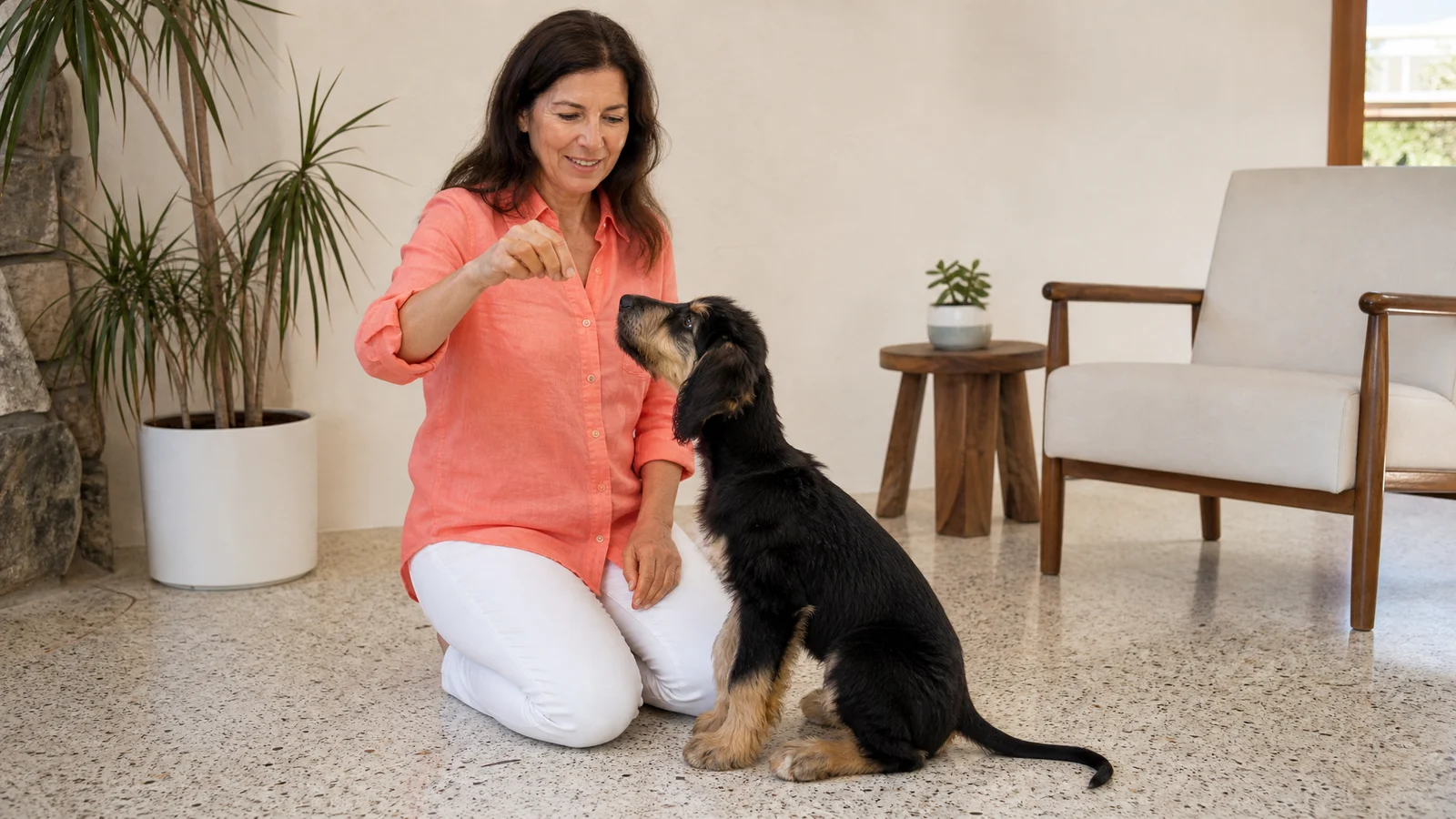 Puppy trainingAfghan Hound Puppy: What to Expect and How to Start Training
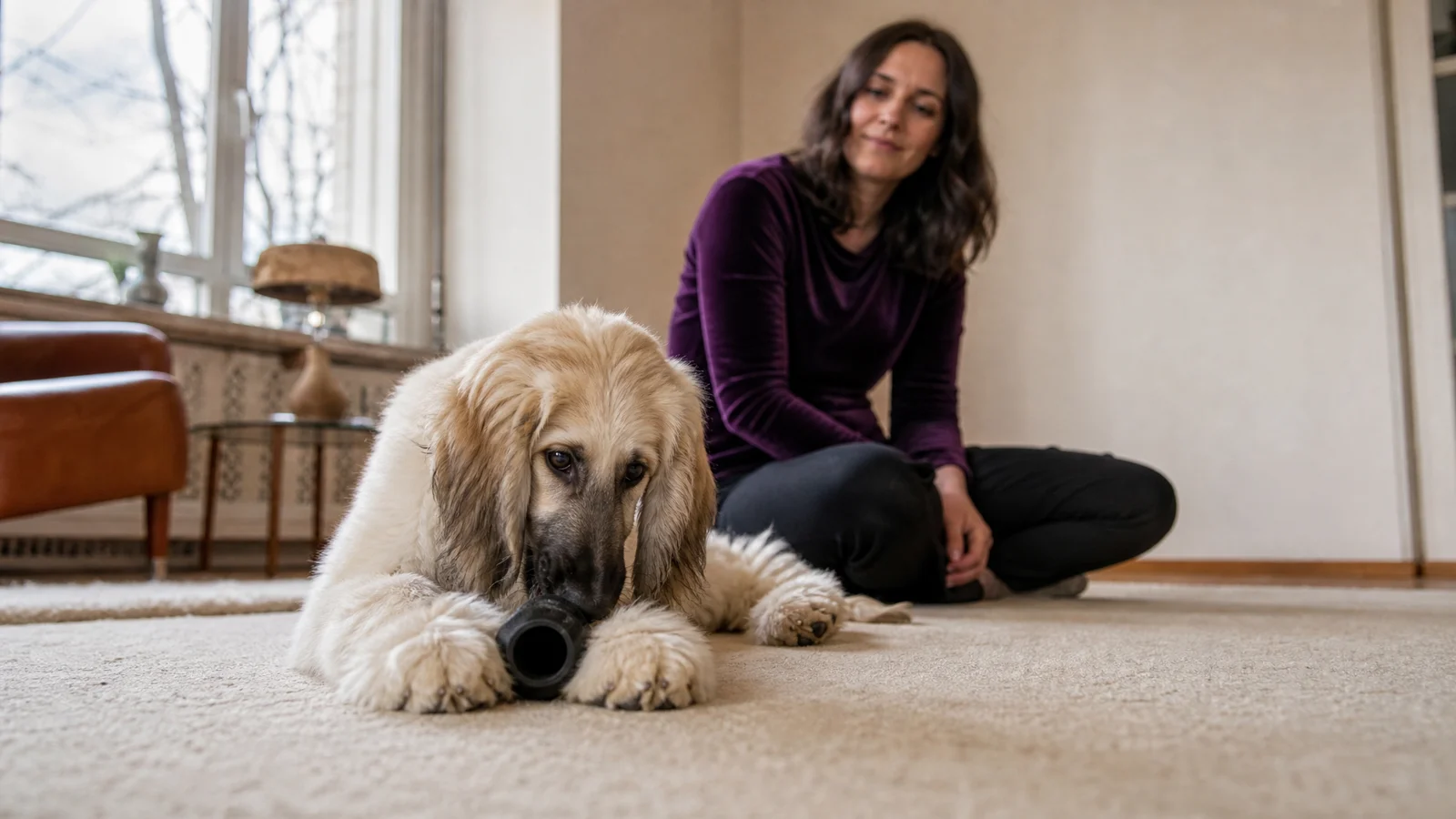 Puppy trainingAfghan Hound Puppy at 3 to 4 Months: Teething and Mouthing
 Training basicsHow to Teach an Afghan Hound to Heel