 Afghan Hound
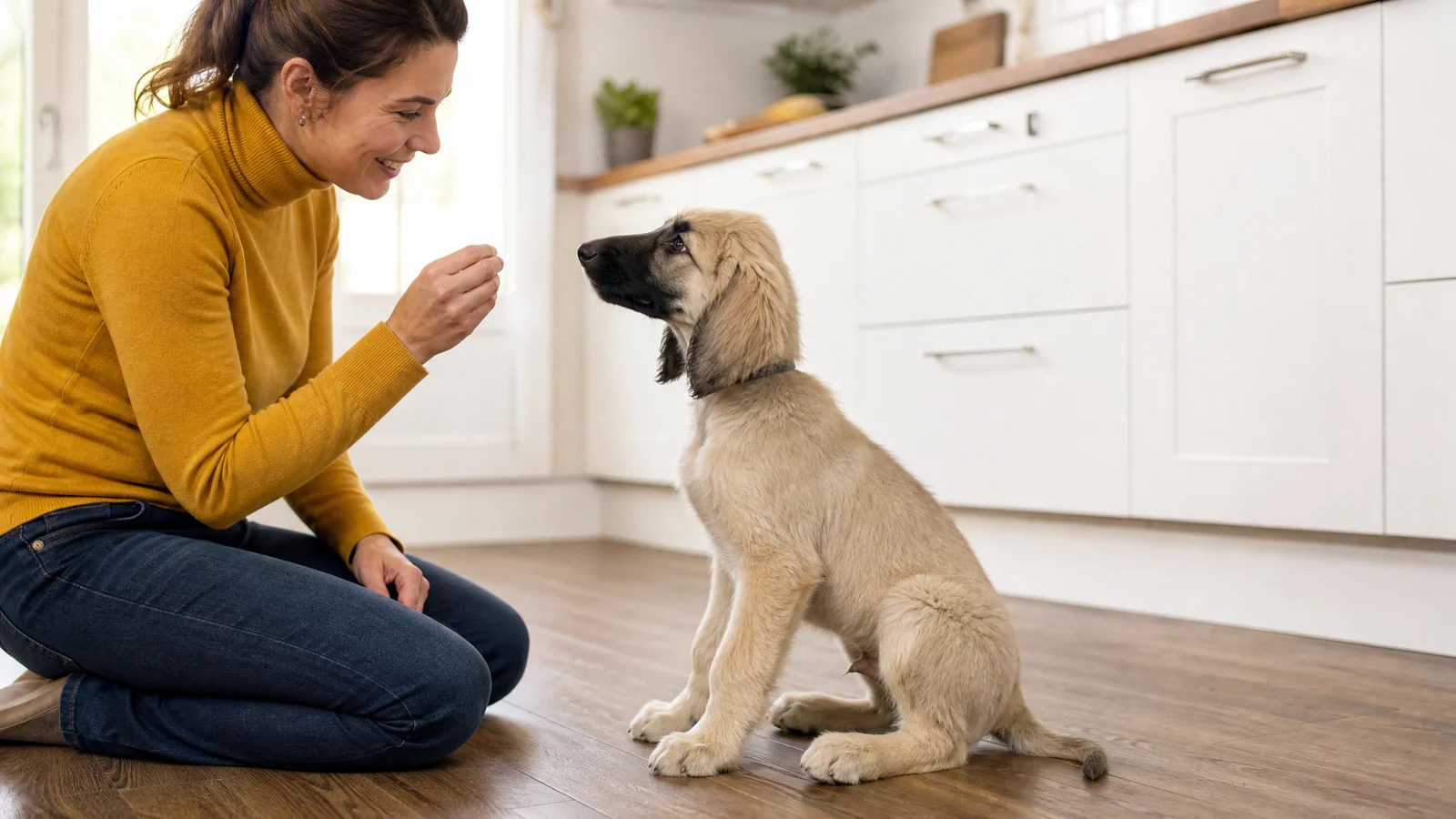
A common mistake is reading a quiet, aloof Afghan Hound puppy as stubborn and pushing harder, with a louder cue, a firmer tone and another round of the same drill. The puppy, who was mostly thinking it over, learns that lessons with you feel uncomfortable, and the dignity that makes the breed so appealing hardens into avoidance.
The fix is gentle, reward-based practice in short sessions, matched to a sensitive sighthound, with a house and yard arranged so they never rehearse the wrong habits. Our focus is how Afghans think and learn, and the steps below follow how they actually develop toward 25–27 inches.
We'll walk you through the home setup and daily rhythm that come first, then the early months of handling and manners, the adolescent stretch and the chase-proof habits that grow with your dog, and finally the name cue that ties it all together.
Puppy Training Starts at Home
Before any cue is taught, the household does most of the teaching, and for a sighthound with a very well-developed chase instinct the arrangement of rooms, gates and habits matters more than it does for most breeds. A puppy raised where doors latch, the fence is tall and the family agrees on a few rules gets far fewer chances to practice what you would later spend months undoing. So begin with the space and the people, and let the lessons grow out of them.
A Place to Rest
Choose the room where the family gathers and set up a pen or gated corner there, so the puppy rests in sight of everyone and not behind a closed door. Afghans bond closely, and a loyal dog who is shut away often learns that being alone is something that happens to them. Stock the space with a soft bed and a chew, and treat it as somewhere the puppy chooses to go, never somewhere they are sent.
The Yard Before the Lessons
Afghans are tall, lean and strong, which makes them excellent jumpers, so the exercise area needs a high, secure fence, and the latches deserve as much attention as the fence line. Check it while the puppy is still small, because by the time a young hound looks big enough to test it, they will already be able to. Plan on leashed outings from the first week too, since walking off leash is not advisable for a breed with a strong instinct to run after perceived prey.
Family Rules
With strangers an Afghan is dignified and aloof, and with family they can turn exuberant, playful and even silly, so a puppy may seem like two different dogs depending on who is in the room. An independent thinker notices at once when rules are negotiable, so agree on a few before the puppy arrives:
- Everyone agrees on one set of cue words and a single marker word, so each sound means just one thing to the puppy.
- Nobody chases the puppy around the house or yard, since being chased rehearses the very game you will later need to manage.
- Whoever opens a door or gate checks that it has latched behind them.
- Visitors and children let the puppy do the approaching, with a treat on a flat hand, and nobody leans over or grabs.
The parent club urges breeders to follow the breed standard, which lists sharpness and shyness as temperament faults. That is a good reason for a household to favor many calm, pleasant meetings over any kind of pressure.
The Daily Puppy Training Routine
A puppy settles into learning when the day has a shape, so meals, naps, play and outings that arrive in roughly the same order let a sensitive young dog stop wondering what comes next. In a predictable house an Afghan relaxes by degrees, and a relaxed puppy is the one who absorbs a lesson instead of merely getting through it.
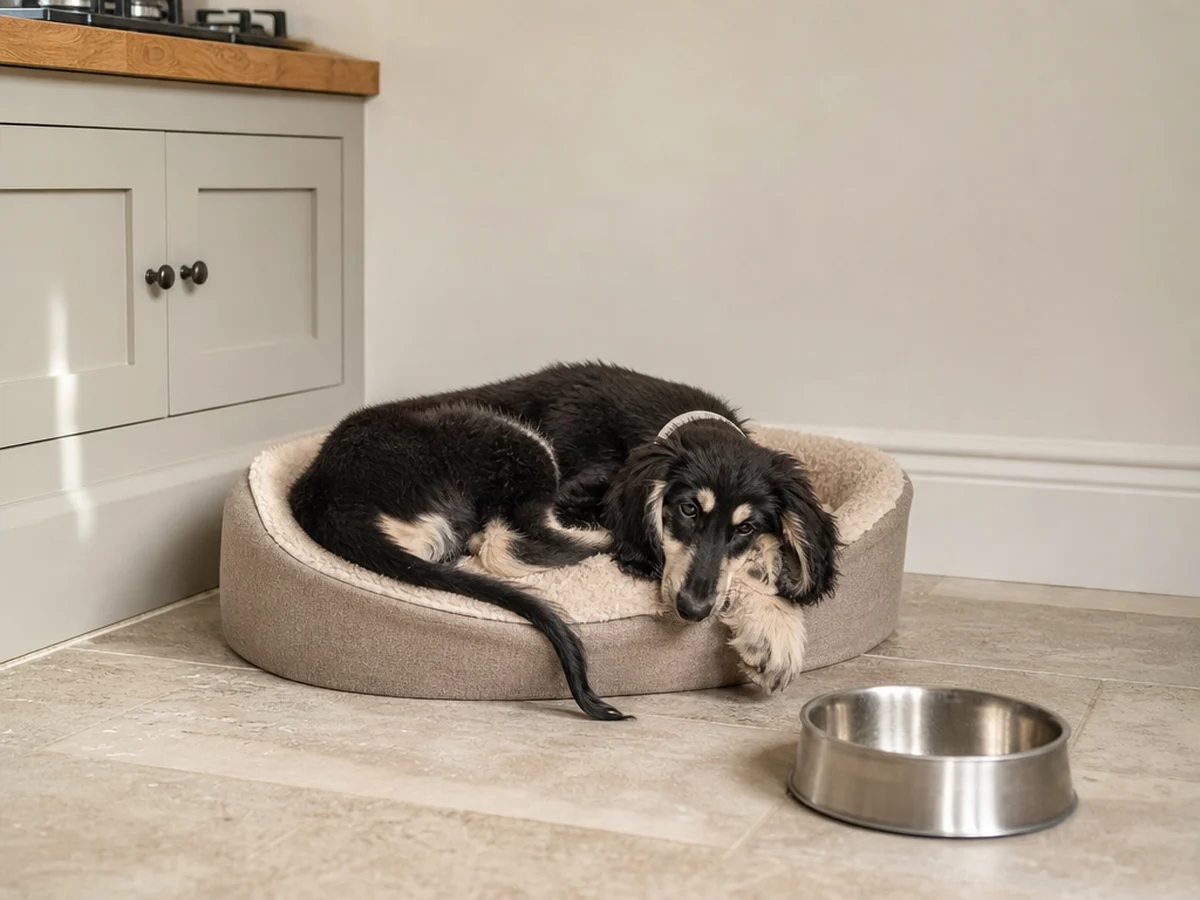
Morning to Midday
Start the day with a trip to the same outdoor spot, and hand over a treat the moment they finish there. Afghans want to please the people they love, which tends to make house training fairly easy once rewards arrive quickly, though a long coat can hide what is happening, so stay close and watch. Use a little of breakfast for a minute or two of practice, since a puppy works happily for food and then rests.
Through the middle of the day, keep each lesson to a few minutes and follow it with a nap in the pen, because an overtired puppy turns frantic and nippy long before looking sleepy. Walks stay small at this age, a leashed look at the world, and your veterinarian can say how much activity suits a growing body, so keep regular visits on the calendar.
Evenings and Growing Days
Evenings suit the social work, when the family is home and relaxed. A gentle brushing session with a treat for every stroke fits here, since the coat is shown in its natural state, never clipped or trimmed, and grooming will be part of this dog's week for life. Finish with a short game of tug and a cheerful recall inside the fence, so the day closes on something the puppy wants to repeat.
As the months pass, the shape of the day stays and its pieces stretch, with sessions gaining distractions, outings growing longer and the evening brushing becoming a proper session. The adult version adds a chance to run full out in a large enclosed area several times a week, because short walks alone do not meet the needs of an athletic breed.
Your Afghan Hound's First Months
In the first months at home, the view narrows from the household to the puppy themselves, a dignified little creature who is sensitive to rough moods and sometimes reserved with anyone outside the family.
Training that respects this temperament goes faster than training that fights it, because the Afghan Hound does not respond well to pressure and prefers to do things their own way. The aim for these weeks is a puppy who enjoys being touched, looks up at their name and has met the world in small, pleasant doses.
This is general information, not medical advice. Check with your veterinarian before giving any medicine or changing your puppy's diet.
Handling and Grooming Comfort
Touch a shoulder, then the chest, back, ears and legs for a moment each, and follow every touch with a treat. Pause while the puppy still feels relaxed and interested, and step back whenever they stiffen or turn away. Handling progress varies widely, with some dogs relaxed after a few days and others needing months, so let the puppy set the pace.
Once touch is easy, add a soft brush in short strokes with a treat after each one. A puppy who has always enjoyed the brush makes every later grooming session, and every veterinary exam, calmer for everyone involved.
Basic Manners
Unless obedience or agility competition is a goal, teaching come, sit and stay is generally sufficient, so resist the urge to build a long list. Training works best when it shows the puppy what to do instead, and a lure plus a marker word makes the answer easy for a sensitive puppy to read:
- Hold a treat at the puppy's nose, say the cue once and guide the nose up and back until the rear lowers.
- Mark the instant the sit happens with a cheerful yes, then deliver the treat low and calmly.
- Repeat in several rooms before asking anywhere new, paying generously each time.
- When the puppy follows smoothly, switch to an empty hand making the same motion, and pay some tries far more richly than others.
Reward four paws on the floor when people arrive as well, because an adult who reaches 25–27 inches and leaps up is a great deal of dog. Expect the puppy to understand you and still choose their own timing, and answer that with a better reward or a livelier game, not a repeated request.
Honoring the Aloof Streak
An aloof puppy may prefer to watch a visitor before going near. Let them, and ask guests to ignore the puppy and drop a treat nearby, so curiosity does the work. Afghans are affectionate and extremely loyal to the people they bond with, but that affection arrives on their terms, and a puppy allowed to approach learns that people are safe.
Adolescent Growth and Puppy Training
Adolescence is the stretch when learned habits wobble, and it arrives just as the dog starts to look grown. The puppy who once flew to you at the first call may now glance over and carry on, and a cue they knew last month can seem to have vanished. This is ordinary growing up, more visible in an independent hound, and it does not mean the earlier work was wasted.
Growth changes what the body can do. An adult stands 25–27 inches and weighs 50–60 pounds, so a long-legged teenager can reach counters, clear low barriers and cover ground startlingly fast, with a frame that looks nearly adult well before the mind catches up. Manage the house and yard around the dog you actually have, and judge manners by mental age instead of height.
Rebuilding cooperation starts with easy repetitions, richer rewards and mild distractions that grow slowly. When a known cue is ignored, ask whether the task was too hard or too distracting, then change the task and not the dog. A calm pause in play, or a quiet walk to the pen for a rest, is all the interruption a sensitive hound needs.
Keep the handling and brushing going, since the coat keeps growing and tangles are easier to prevent than to repair, and ask your veterinarian which activities suit a growing body. Steady, kind repetition carries the dog through this phase, and the cooperation you rebuild now becomes the footing for adult life.
Chase-Proof Habits for Afghan Hounds
Chase-proofing is a layering job, because the breed has a very well-developed chase instinct and the dog only gets faster and more powerful as they grow toward 25–27 inches. Training lowers the odds of a bad moment but never removes what they were bred for, so the plan leans on fences and leashes first and manners second. Add each layer only when the one before it feels easy.
Fence and Leash First
Check the fence for gaps and weak latches while the puppy is still small, and supervise yard time instead of leaving the dog out alone. Beyond the fence the leash is the rule, and a long line gives more freedom without giving up safety. Clip it on before the door opens every time, so the leash predicts a good outing and not the end of one.
Paying for Attention
The habit that matters most is the one that fires when something moves in the distance. Build it in small steps. The sequence below keeps each change controlled.
- Reward every glance your way on a walk, starting in quiet places close to home.
- Add mild distractions, such as a leaf blowing past or a neighbor's door, and keep paying for each turn toward you.
- Move slowly to busier places, paying more richly the harder it gets.
- When something fast and tempting appears, pay the turn toward you with the best treat you carry, then continue on leash.
Keep recall games for good things only and play them inside the fence. A call that always ends in a treat or a romp keeps its pull, while one that ends the fun quickly loses it.
Room to Run Safely
Common advice says to keep proofing recall until the dog can be trusted off leash. For an Afghan we would stop short of that goal, since the sight of something running can override even a well-trained call, and containment and leashed outings are the safer plan.
Ideally they get to run full out several times a week in a large enclosed area. Loose-leash walking suits them well too, since the standard describes a trot that can be fast on a loose leash. Recheck fence height and every gate as the dog reaches full size.
Name Cue for Puppy Training
The name is the first cue worth teaching an Afghan and the easiest one to spoil, because a sensitive hound who hears their name just before every bath, crate trip or interruption soon decides it is a sound to ignore. Keep it a happy word and it grows into the attention that every later lesson leans on, including the turn away from a chase.
Begin in the quietest room of the house with a handful of small, tasty treats. Speak the name one time, warm and light, and the instant the puppy's eyes find you, mark it with a cheerful yes and pay. If they do not look, do not repeat the name louder. Wait, make a small sound to draw a glance, and try again, which keeps the word meaning something.
Practice Beyond the Quiet Room
Do a few repetitions and stop while the puppy still wants another turn. Once the glance comes every time, say the name from across the room, then while they sniff the floor, then while they play, paying generously each time they swing toward you. Move to the yard only when the room feels easy, and to the long line on walks only when the yard does.
Over weeks the name turns from a sound into a habit of checking in with you. That habit is what you will reach for in adolescence, when an independent hound may know exactly what you want and treat the request as optional. Pay well, change the task if they struggle, and never use the name to call them toward anything unpleasant.
One Afghan Hound Step Today
The whole timeline comes down to one fact about the breed. An Afghan is sensitive, independent and built to chase, so they give their cooperation to people who make learning feel safe and worthwhile.
The household rules, the daily rhythm, the patient handling, the fence and the name cue all say the same thing in different ways, and they keep paying off through the second year and beyond. If anything about your puppy's growth or health worries you, regular vet visits are the place to take it.
You do not need the whole plan today, only a three-minute session in the quietest room of the house. Take a few small treats, sit on the floor, speak your puppy's name in a warm voice and pay the moment they look at you. When the time is up, stop and let them rest.
That small ritual carries the entire approach. It builds attention, keeps the name pleasant and shows a sensitive dog that time with you reliably ends in something good. Repeat it tomorrow, and let the next layer wait until this one feels easy.
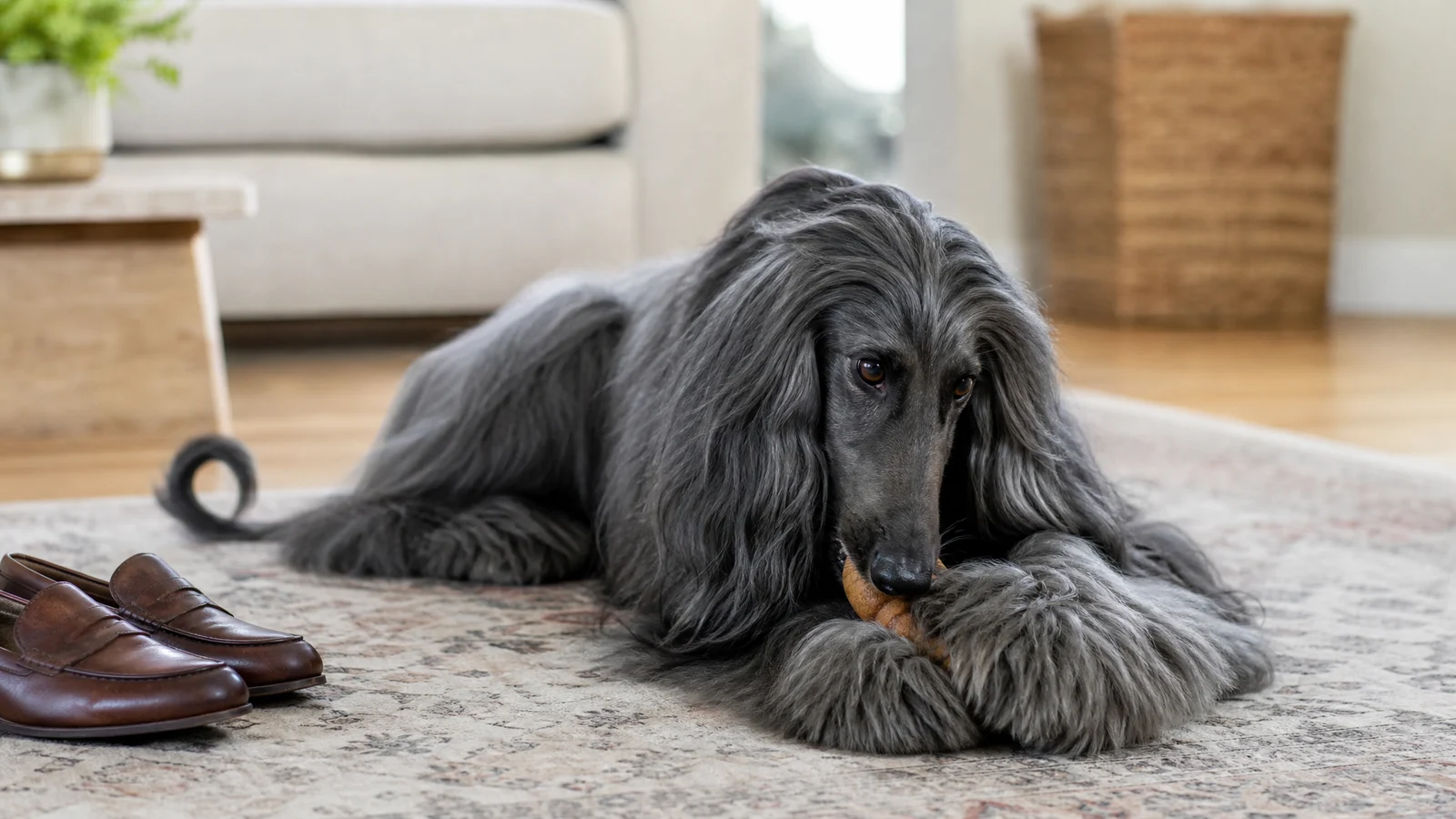 BehaviorStop Destructive Chewing in an Afghan Hound
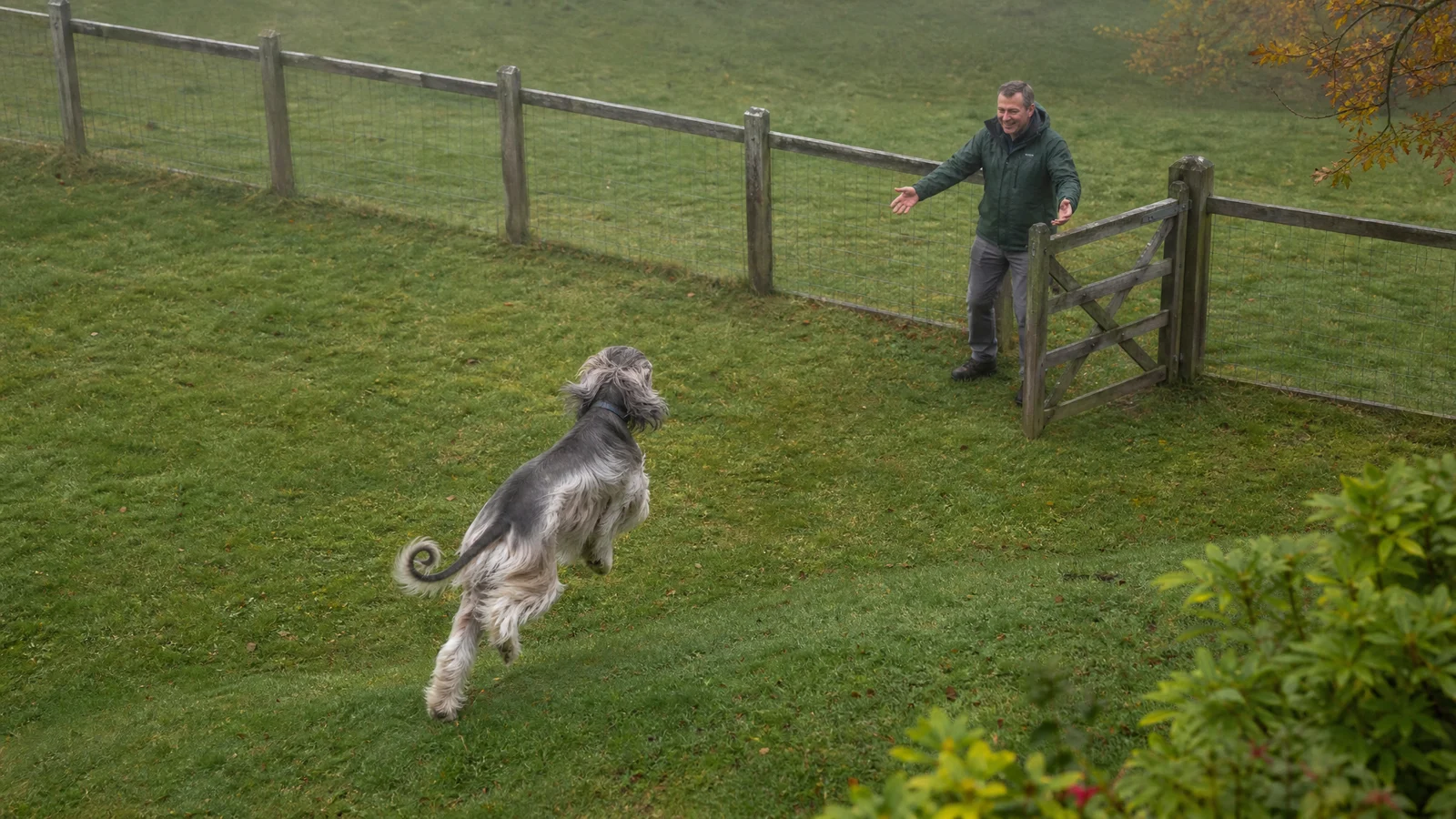 Exercise and jobsSetting Up Safe Sprints and Calling an Afghan Hound Back
 BehaviorAfghan Hound Behavior Problems: Chasing, Ignoring, Aloofness